Whoever gets there first
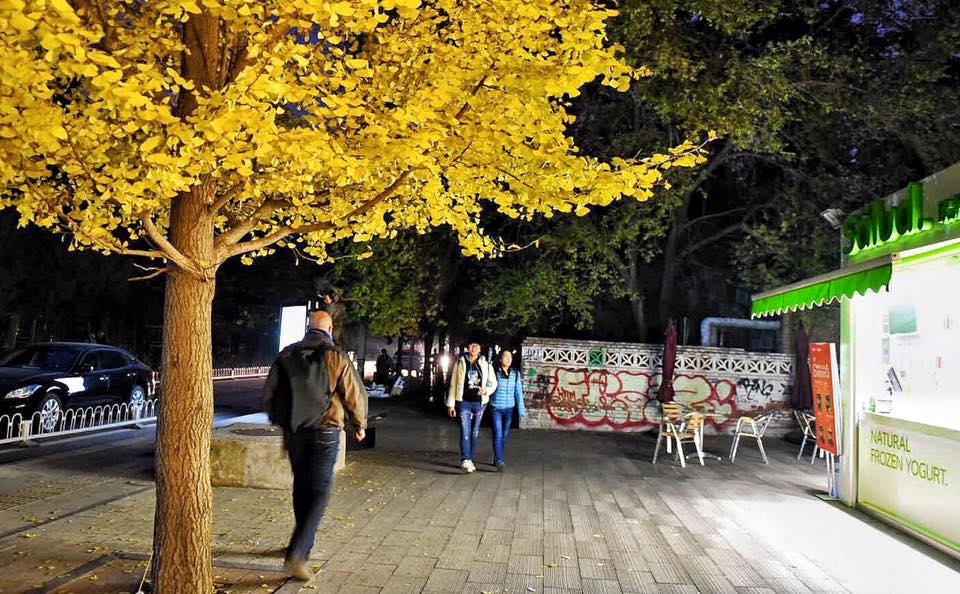
It’s your first day in a Chinese city. After checking in at your hotel you decide to scope out the territory on foot. Disoriented from lack of sleep on the long flight, you smack right into a woman walking ahead of you who inexplicably stops in her tracks while looking at her cellphone. You apologize and she ignores you. You proceed but you can’t walk around her because the couple walking toward you don’t give way. You can’t walk around her other side because a slow walker is rearing up and not enough space to squeeze around him either. Trapped, you manage to wiggle your way past these obstacles and are home free. But only for a moment, as you close in on a solitary pedestrian walking ahead who manages to take up the entire sidewalk—not because he’s large but because he has eyes in the back of his head. He prevents you from overtaking him by veering in front of you as you try to slip by him on the right and then again on the left. Now barreling toward both of you is an electric cyclist. You are forced off the pavement. As you jump onto the street, a car pulls up to park, forcing you back onto the pavement. The driver doesn’t even slow down! Now three people approach who are about to collide with you and the two pedestrians walking next to you. You move out of the way and place yourself flush against the wall along the other side of the pavement. They flow right through each other like ghosts.
I may have over-dramatized things a bit, but you will encounter variations of this brazen buffeting from all sides soon enough. How do they do it without anyone getting upset? Everyone is walking slowly, dreamlike, ambling at a leisurely pace as if not going anywhere in particular. Yet they are all getting on splendidly. The man with the rear-facing antennae, the woman with the cellphone, are long gone.
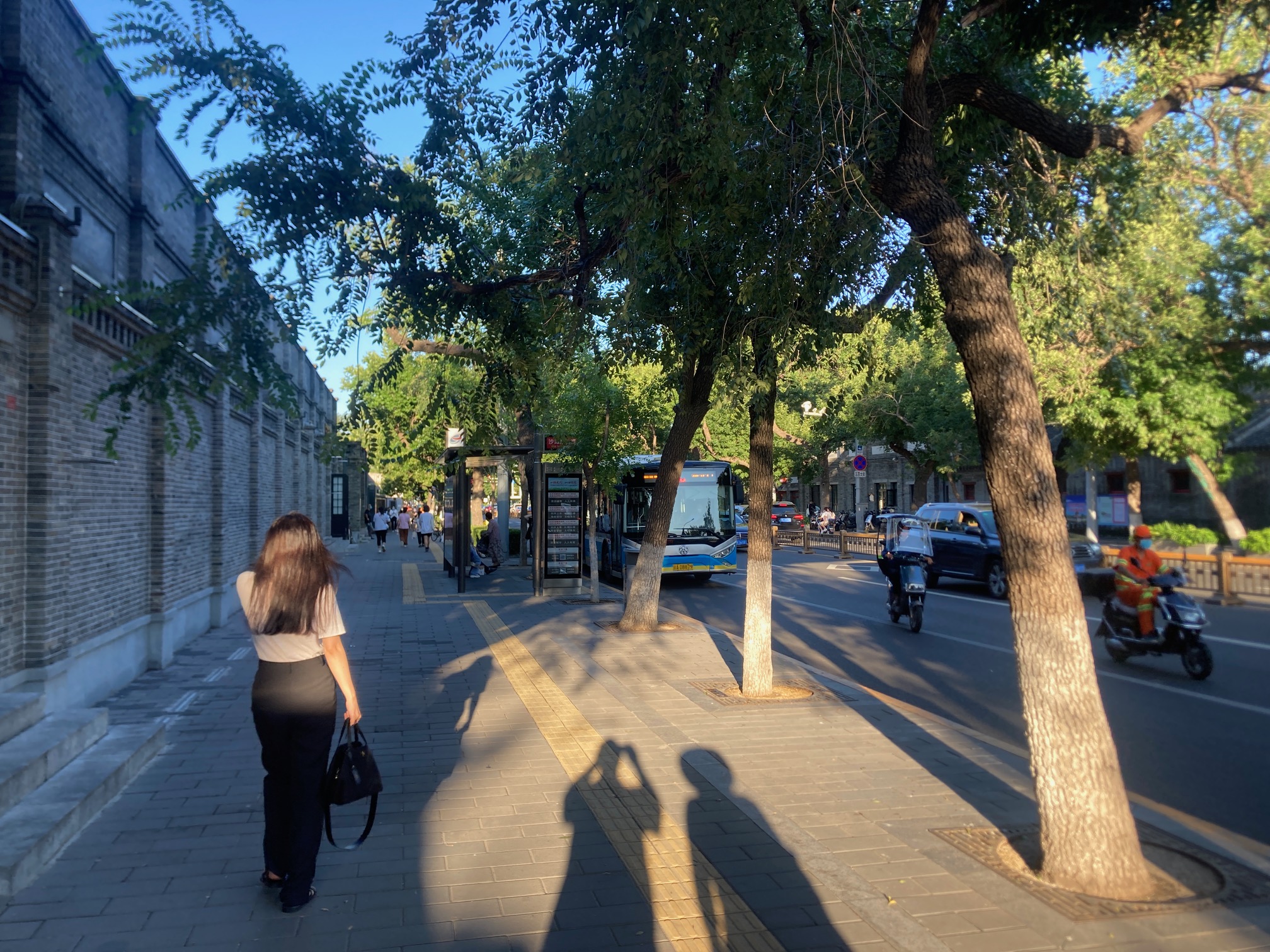
If you suspect the Chinese have a different conception of personal space, you are correct. You try to understand it from a North American perspective, where people keep a certain distance from each other in public, as if everyone is wearing an invisible 19th-century hoop skirt to keep others at a safe distance. Once on a trip to the U.S. after years of living in China I had forgotten about these niceties. I was standing on a street corner waiting for a right-turning car to pass so I could cross the street. As my posture signaled that I was about to cross, the driver to start yelling at me through her car window. I wasn’t close to making contact with her vehicle. But I was leaning forward too much for her liking. A mere pedestrian, I had violated her territory.
In China, this would not be a problem. You could lean into the car as it slides past, caressing its bumper, or better yet weasel your way in front of it and make it yield to you. The driver might be annoyed as he’s forced to wait for you and, now that you’ve opened up a path, a whole string of pedestrians to cross the street. It’s often the only way pedestrians can make it across the street. But he would hardly be ruffled (accidents are a different matter). Or you could walk down the street more insistently, pushing past and squeezing through people as needed, just as they do to you. Within limits: it’s not a rugby match. And despite all this seeming rudeness, nobody gets angry. It’s just the way it’s done, and they all do it that way.
For the freedom to jostle one another, the Chinese agree not to get upset, though “agree” isn’t the right word; it’s cultural and thus unconscious. This is unlike say, Japan, where people also pass close to each other but gracefully manage this without physical contact. The Japanese are acutely conscious of one other’s presence. They also have 360-degree antennae, with the difference that they are hyper-considerate and step out of the way to let you overtake them, whereas the Chinese seem to want to throw obstacles in your path, as if you are in some kind of a race they can’t afford to lose. At least that’s what you might initially suppose.
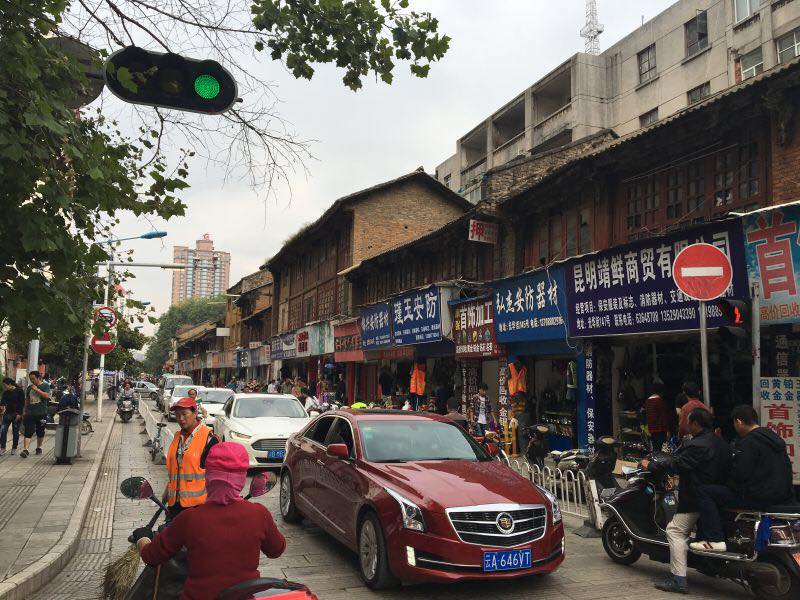
It took a few years of living in the country to understand that the Chinese are not out to stymie you. They don’t in fact have antennae in the back of their head because the truth is, they are not in the least aware of you. That applies to foreigners as much as to themselves. Now, this was not always the case. Back in the 1980s, so much as step out onto the street and a crowd would immediately form like a magnet and follow you everywhere with stunned expressions. In the ’90s, foreigners became boring; you were still stared at but from a distance. Today, in cities with at least a handful of foreign residents or tourists, you are no longer stared at. It’s a great feeling to be able to blend in with the locals. But you are now treated like a local.
To have a conception of personal space, you need a conception of public space: how to defer to others occupying the same space. I may be putting it starkly, but the Chinese have no conception of public space. It’s just space, and it belongs to the person occupying it. Space is always one’s own until forced off it. It’s why people will step right in front of you, blocking your way when they can clearly see you coming. They then have the nerve to avoid eye contact and pretend they didn’t see you! But again, that’s not what’s happening. No thought processes are involved. If they do make eye contact, they’ll be perplexed as to why you’re glaring at them. They are not trying to confound you. Your feelings couldn’t be further from their thoughts. Rather, they got there first.
The obverse of this is that people don’t terribly mind being forced off their space; they simply occupy the next available space. No one is laying down boundary markers with chalk to claim their private territory. They are just getting on without thinking much about it, like water finding the easiest path. This may involve a certain amount of gentle prodding and pushing. When this happens to you, don’t be upset but just move around them.
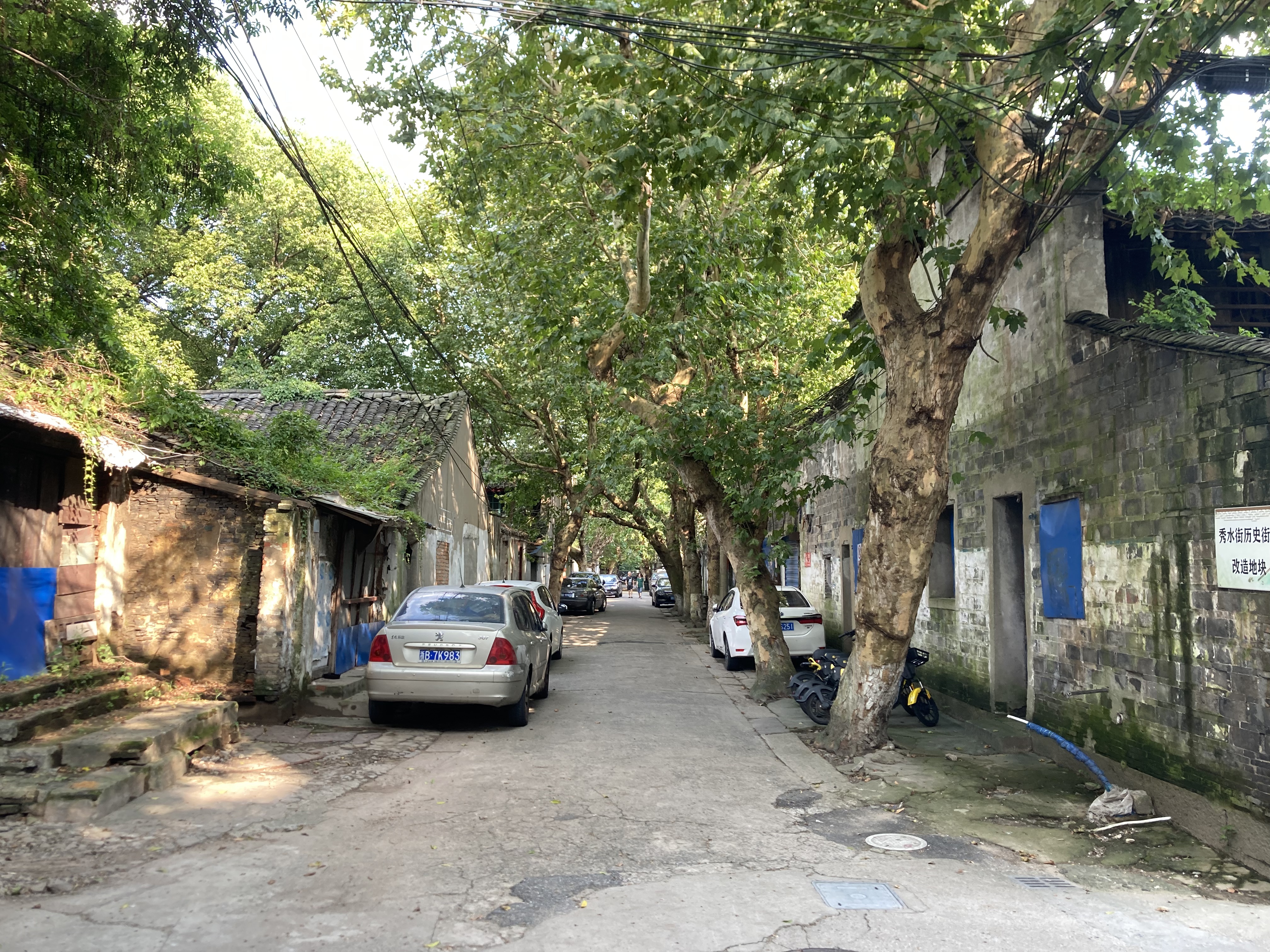
It’s a very different conception of public space than the rest of us are accustomed to, to be sure, but the system works well on its own terms. A warning, however. While standing in line somewhere, you may find yourself being jabbed from behind by an old lady’s cane or forearm when failing to keep pace with those in front of you. She may keep nudging you in any case, as if to make the whole line move faster. Do not try the same on anyone, especially a female who is accompanied by a boyfriend or husband. Only old ladies can get away with this. As with anywhere, it’s good to abide by the unspoken rules.
Cars on the sidewalk
The Chinese ride bicycles the same way they walk. Which is to say the only rule of the road is, once again: whoever gets there first. As bicycles can be hazardous to pedestrians and there used to be millions of them, dedicated bike lanes were in general use right up until the turn of the century, when private car ownership took off. As expected, people drove cars the way they rode bicycles. Problems started occurring, compounded by the ease with which one could obtain a driver’s license without having to undergo driver training or pass a driving test (you paid someone off), and the tendency to ignore traffic lights. We didn’t have cellphones back then with cameras, and I lost the opportunity to document the hilarious pell-mell Chinese traffic jams of the early 2000s.
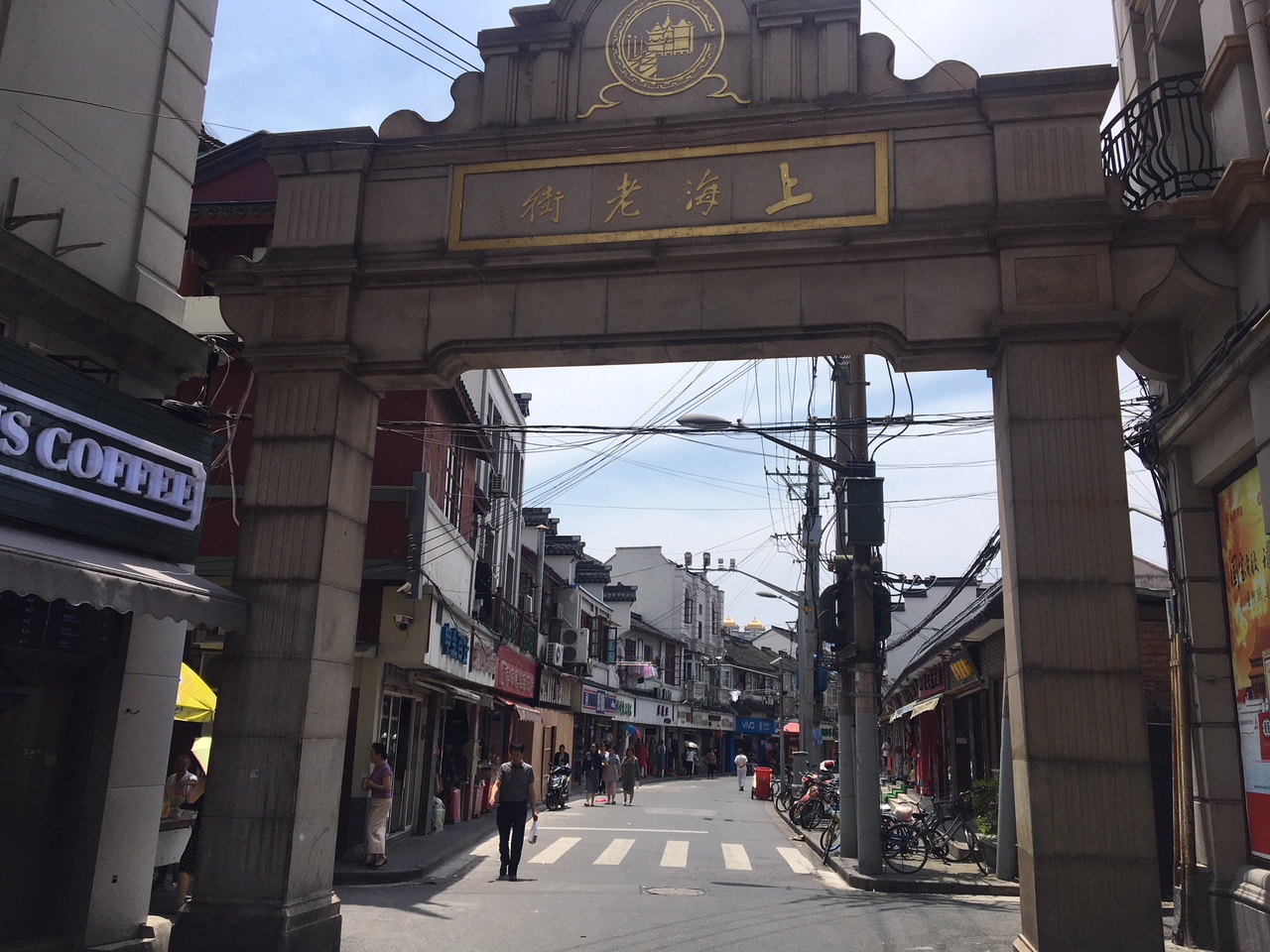
You might expect that if drivers disobeyed the rules of the road, they would be flying into each other left and right. Accidents in those years were indeed frequent, but people did make efforts not to total several years’ worth of their salary. What actually happened was everything ground to a halt. Never was I more empowered as a cyclist, zipping past all those blaring horns unable to extricate themselves from the massive logjam. It took some years for the majority to have the collective eureka moment that obeying traffic signals enables everyone to get to their destination faster. Reluctantly, drivers stopped at red lights. Holdouts who couldn’t bring themselves to cooperate resorted to escape routes. They drove into oncoming lanes, down bike lanes and onto sidewalks, honking cyclists and pedestrians out of the way, and ran red lights. Businessmen being chauffeured in their Benzs and Bentleys and government officials in their black Audis were particularly fond of scattering the hoi polloi. Blatant and shameless were these class distinctions: the more luxurious your car, the greater your right to occupy asphalt.
Up until about a decade ago you could still witness the form of Chinese street theater known as the traffic altercation. The parties involved could not just suck it in and accept what happened and work out legal matters. They had to come out on top, with all manner of posturing, pointing, and yelling, and they made damn sure everyone witnessed the performance. Once the police arrived, they would negotiate, bargain, argue with the cops—all without fear of getting arrested. Once I was riding my bike to work when I was halted at a busy Beijing intersection by one such scene. Two couples on mopeds had collided. As the two men flailed away at each other, the two women tried to tear off each other’s shirts. The crowd of onlookers surrounding them occupied the entirety of the street and the traffic was frozen. One of the immobilized vehicles was a tour bus full of dumbfounded elderly Caucasians. It was probably the most interesting sight, or site, of their entire trip.
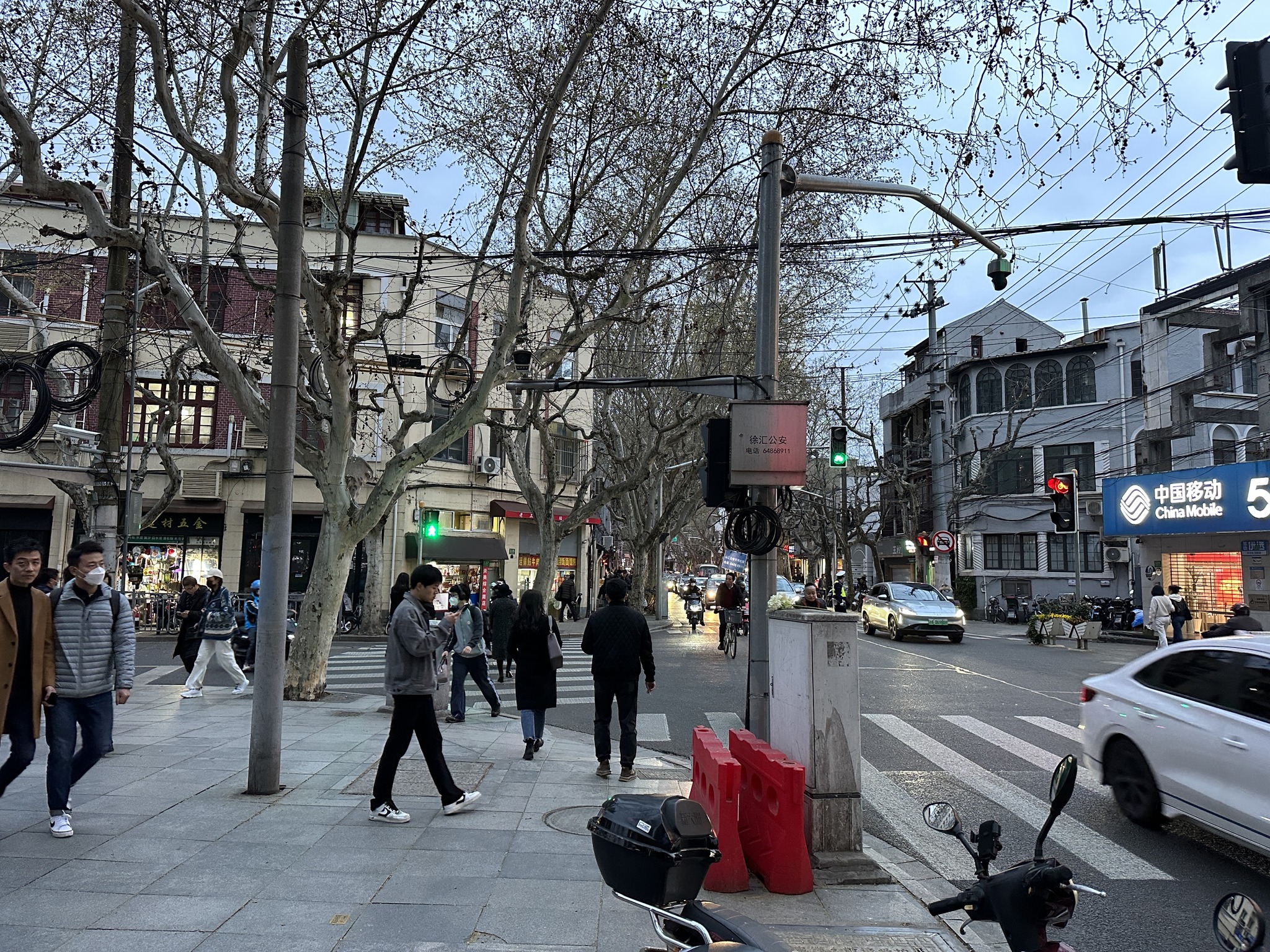
In the years since, drivers have become more civilized and cooperative. But class distinctions still operate in the way roads and thoroughfares are built, privileging the tier of the population that can afford a car. To accommodate car owners, streets are growing in width. They are sometimes so broad that not just the elderly but anyone walking at a normal pace can’t get all the way across before the light turns red. Some boulevards install a pedestrian island with a second set of lights timed to turn green after the first. Other cities outlaw bicycles on roads where widening the road is impractical, freeing up lanes for cars, as in Shanghai with its burden of historic property. Whereas many cities around the world are turning more bike and pedestrian-friendly, the opposite trend still holds sway in China.
China also lags behind when it comes to car accidents. I don’t mean the incidence of accidents, which is comparable to the rest of the world, but people’s behavior. As in fleeing the scene of an accident. It used to be quite common—or worse: intentionally killing a pedestrian who’s been struck by a car, when out of view of onlookers or witnesses. Why would anyone do that? Because the punitive legal and financial costs might be greater by not doing so. You back up several times over the injured victim until they stop moving, report the homicide as an accident, and call it a day. If they’re dead, they can’t sue you. To be fair, few drivers go to that extreme. But it happened enough over the years to generate unwelcome rumors about the practice, only to be confirmed when video evidence began appearing on the Internet. Today, unless you’re on some backwater rural road and are hit by an old-school driver, it’s unlikely to happen.
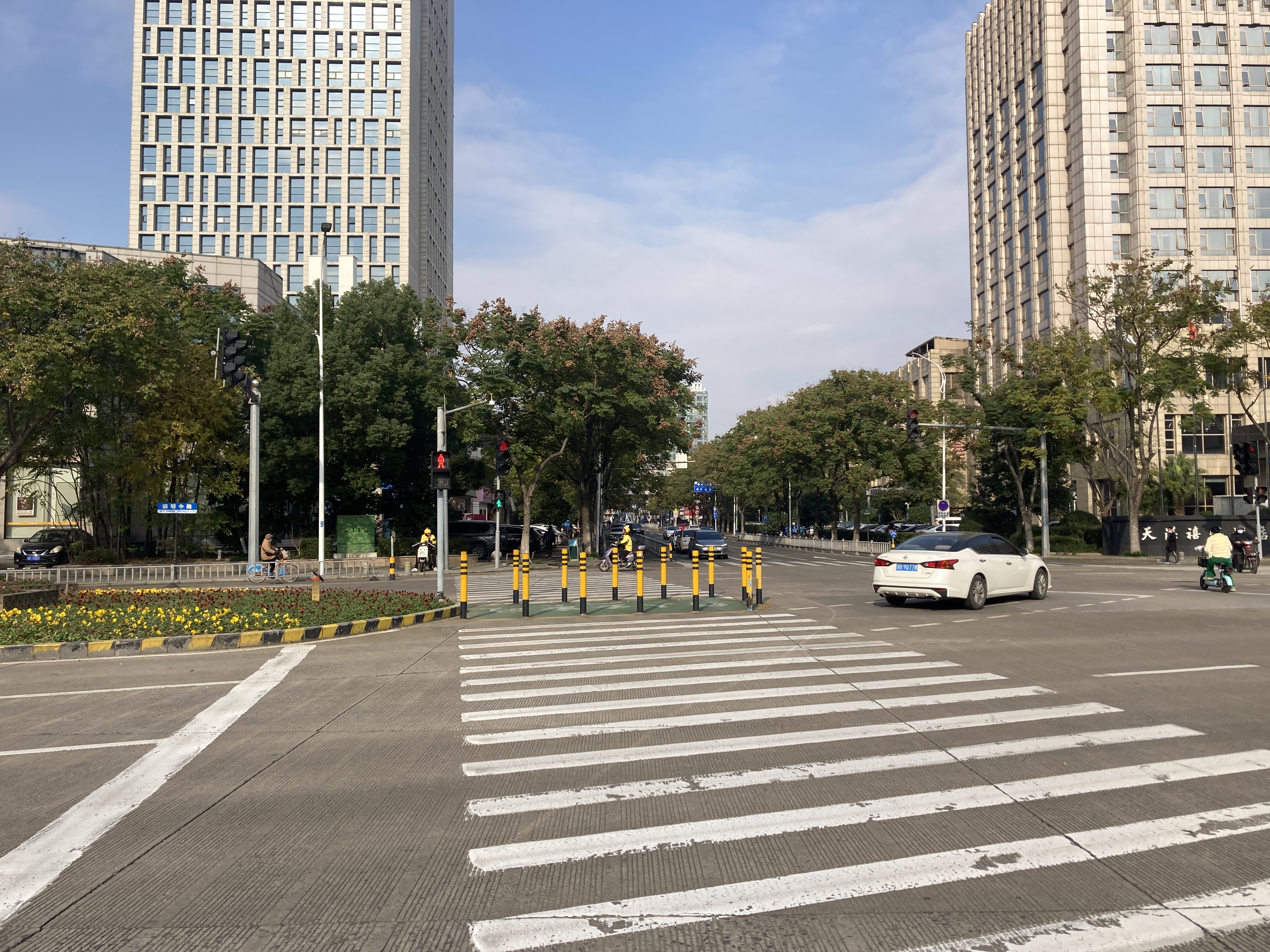
What can happen, however, is that no one comes to your rescue if you’re struck. In years past, you’d be surrounded by gaping onlookers while prone or supine on the street and nobody would call an ambulance or do anything to help, least of all the vehicle that hit you, now long gone. If anyone was stupid enough to take the initiative, they would be the only person you could latch on to and blame for the accident in order to extort thousands of yuan out of them. After all, their coming to your aid only implicates them in their guilt, as you explain to the police when they arrive. Fortunately, nowadays street cameras are turning this notorious scenario into a thing of the past, and leaving the scene of an accident is less common. China has also amended its Good Samaritan laws to guarantee some degree of legal protection for people who come to the aid of traffic victims.
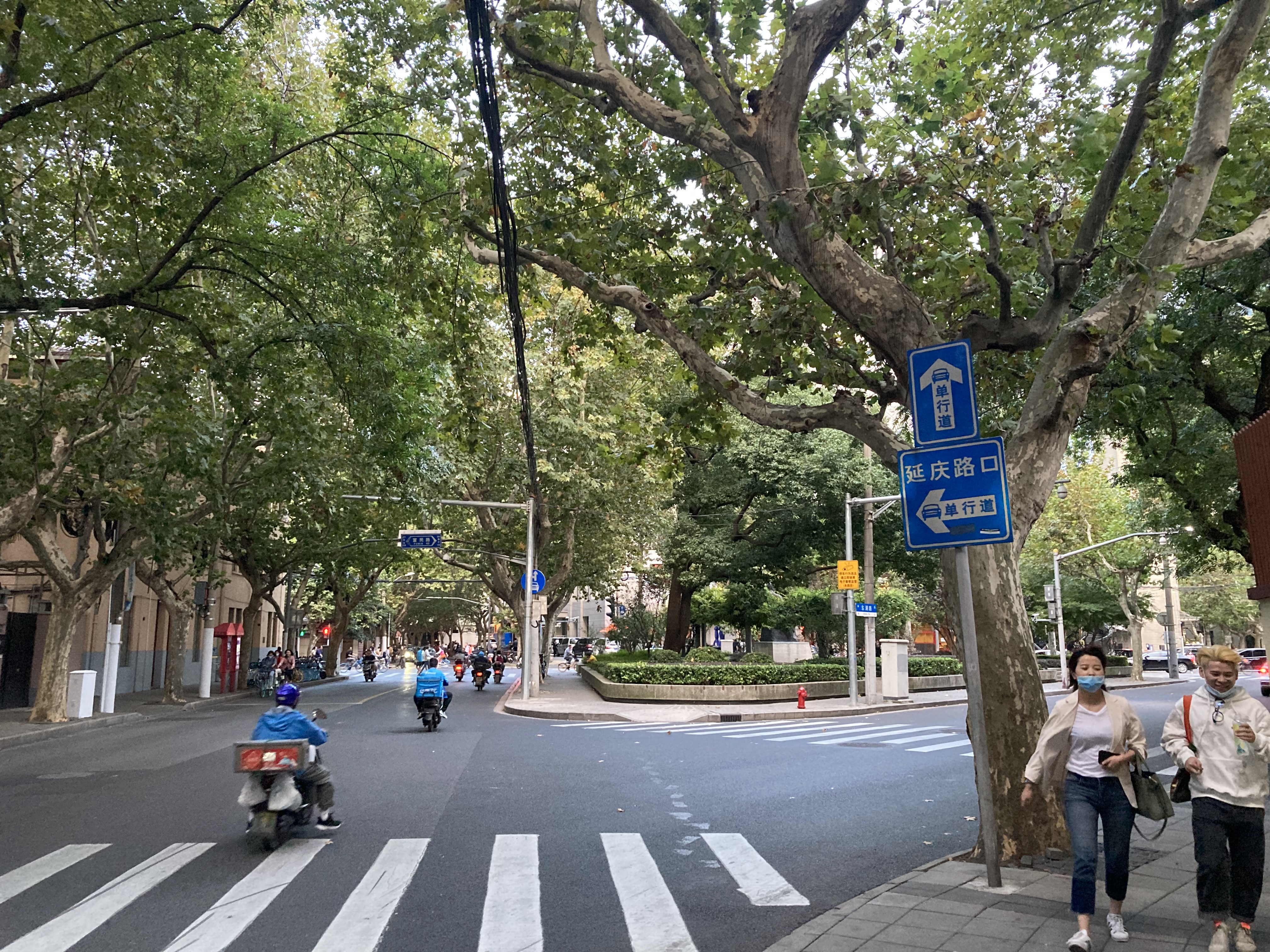
Vehicular dangers remain, though, in the form of that wild animal, the electric moped. These beasts fly at you silently from all directions. The frantic deliverymen riding them have a delicate balancing act: getting their goods to you in record time so you won’t complain and cause their commission to be docked, while avoiding an accident. But accidents do happen, prodding the authorities to bring back bike lines, some with guard rails rather than just a dividing line painted on the street surface. But on really busy thoroughfares like the East Third Ring Road in Beijing, bus lanes are prioritized, which e-bikes and regular cyclists must contend with. The e-bikes are thus drawn to sidewalks and pavements, again because water finds the easiest path, not to mention that a collision with a pedestrian is preferable to that of a car. Still, the last thing deliverymen want is an accident. Their company will take the flak and even pay your medical bills, but the poor country boy will be out of a job, financially devastated in a lawsuit, or seriously injured. So they navigate among pedestrians very carefully—at speeds that nonetheless match that of traffic on the street.
Don’t make any unpredictable movements and you should be okay. Conscious of their presence especially when out walking at night, when I’m less visible, I frequently look over my shoulder for any e-bikes bearing down upon me, just as I used to look over my shoulder at suspicious footsteps when out walking in my hometown of Chicago. China does not keep official statistics on annual traffic fatalities involving e-bikes as opposed to motor vehicles, but academic articles paint a disturbing picture. In one study of 21,442 e-bike accidents across China, 20 percent of the e-bike riders were professional delivery riders, and 37 percent of all collisions involved e-bikes and pedestrians. It makes me wonder if one’s chances of being mauled in an e-bike attack in a Chinese city statistically approaches being shot in a U.S. city. This brings me to my next series of observations.
Unusual police stations
Walking down the street in China, you may notice scant eye contact from passersby. It’s not that they’re afraid of you. Once again, the answer is quite simple. Just as there is no role for public space in China, there is no role for public eye contact. Yet it’s not entirely a matter of indifference; strangers have long been regarded with suspicion. On the other hand, crime is increasingly rare. In the 1980s, it was prevalent enough that females avoided city streets at night. But even then, the incidence of street crime was lower than in most other countries.
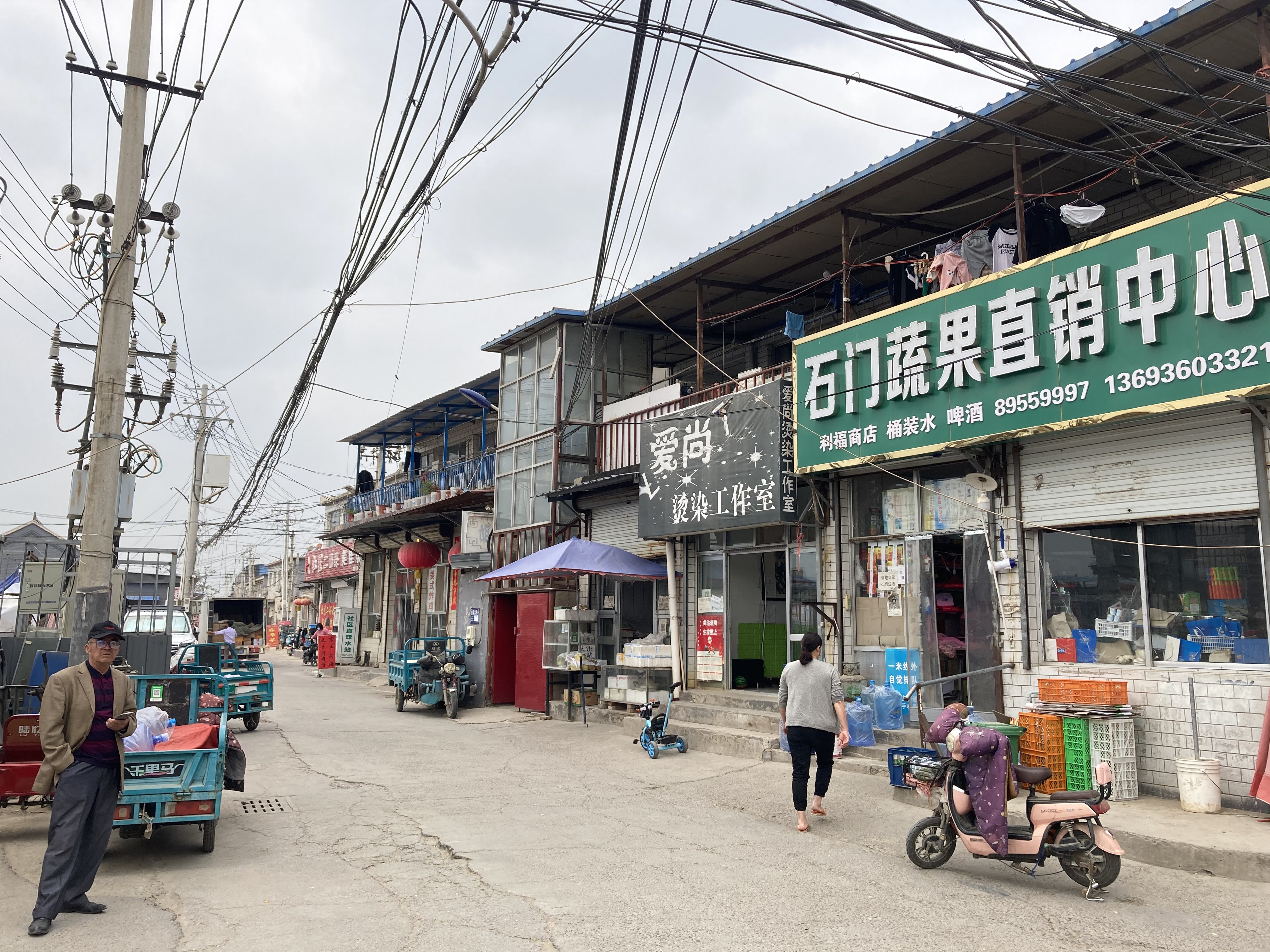
After three decades of living in China, I have yet to be a crime victim. I think back trying to recall incidents reported to me by others. Around two decades ago a friend’s apartment was broken into at night through their window and a few items stolen as they slept. Also around that time, a construction worker at a university in Beijing where I was teaching was reported to have raped a female student in a bush. In the 1990s it was not uncommon for women on crowded buses to have their purses stealthily sliced open from underneath and their cash plucked out. A few female acquaintances recounted how they had been flashed as children by adult male perverts, often a neighbor. A Canadian coworker of mine had a penchant for getting mugged as he staggered piss drunk out of a bar popular with foreigners on Beijing’s Sanlitun bar street. And rumors of a rather nasty crime on sleeper trains: thugs going down the aisle knocking people on the head with hammers and robbing them, something that would be impossible today on China’s high-speed trains with their advanced surveillance systems and security presence (I have ridden sleeper trains many times over the decades and never had a problem).
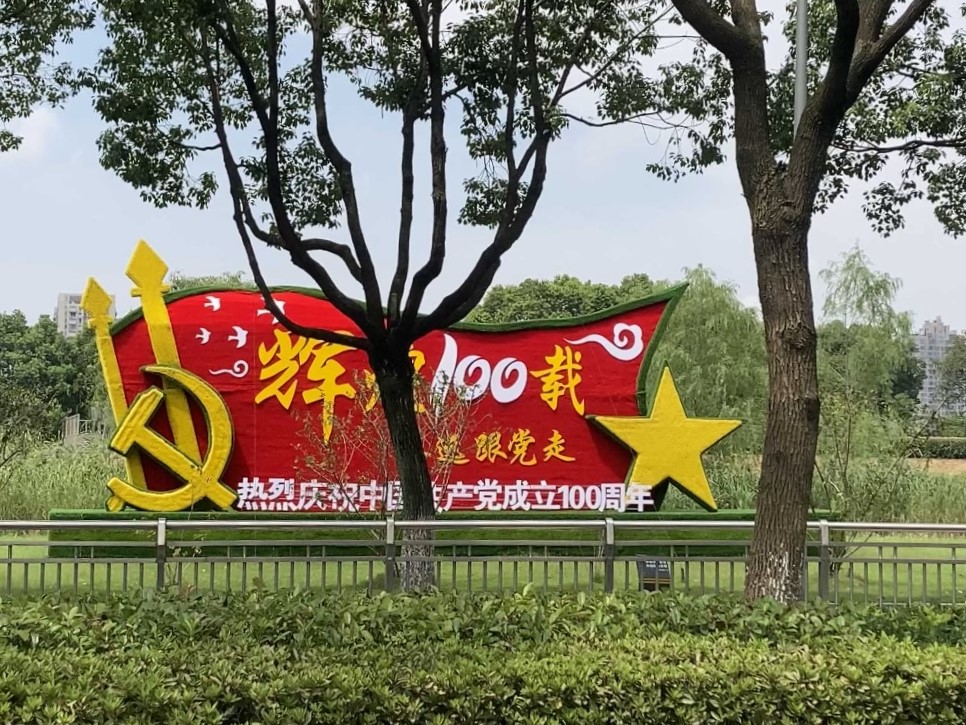
Now that police video surveillance is omnipresent, violent crime is being threatened with extinction. Yet even before Big Brother’s voracious facial recognition capabilities, on whatever street at whatever hour of the night in whatever Chinese city, I can’t recall ever being worried about being mugged. The only reports of crime in the news these days is the occasional horrific event, such as the string of deranged men, out to get revenge on society, who went on copycat stabbing sprees in primary schools some years back. Now schools have elaborate gates and armed guards. Another reason crime isn’t much in the news anymore is that the media are no longer allowed to report much crime. Cynics and sinophobes might therefore assume the public are being kept in the dark and schoolchildren are continuing to be slaughtered. This is not the case, as it would be impossible to keep such news completely under wraps and rumors would abound if it were. Whatever your position on censorship, one wonders whether the incidence of mass murders in the U.S. might decrease if the American media stopped reporting them.
Safe streets make for relaxed walking, even if the scenery isn’t very exciting. The long-reigning aesthetic was a top-down contempt for aesthetics. Chinese cities used to look like industrial wastelands; many still do. You could walk for miles and not encounter a park. It was not until a decade or two ago that the concept of urban beautification took hold. Coastal cities built from scratch, such as Zhuhai and Shenzhen, and coastal cities razed and then rebuilt, such as Ningbo, Dalian, and Tianjin (with a memory of international influences and styles in their DNA) are ever more impressive. Urban planning and parks galore are in evidence now in all cities.
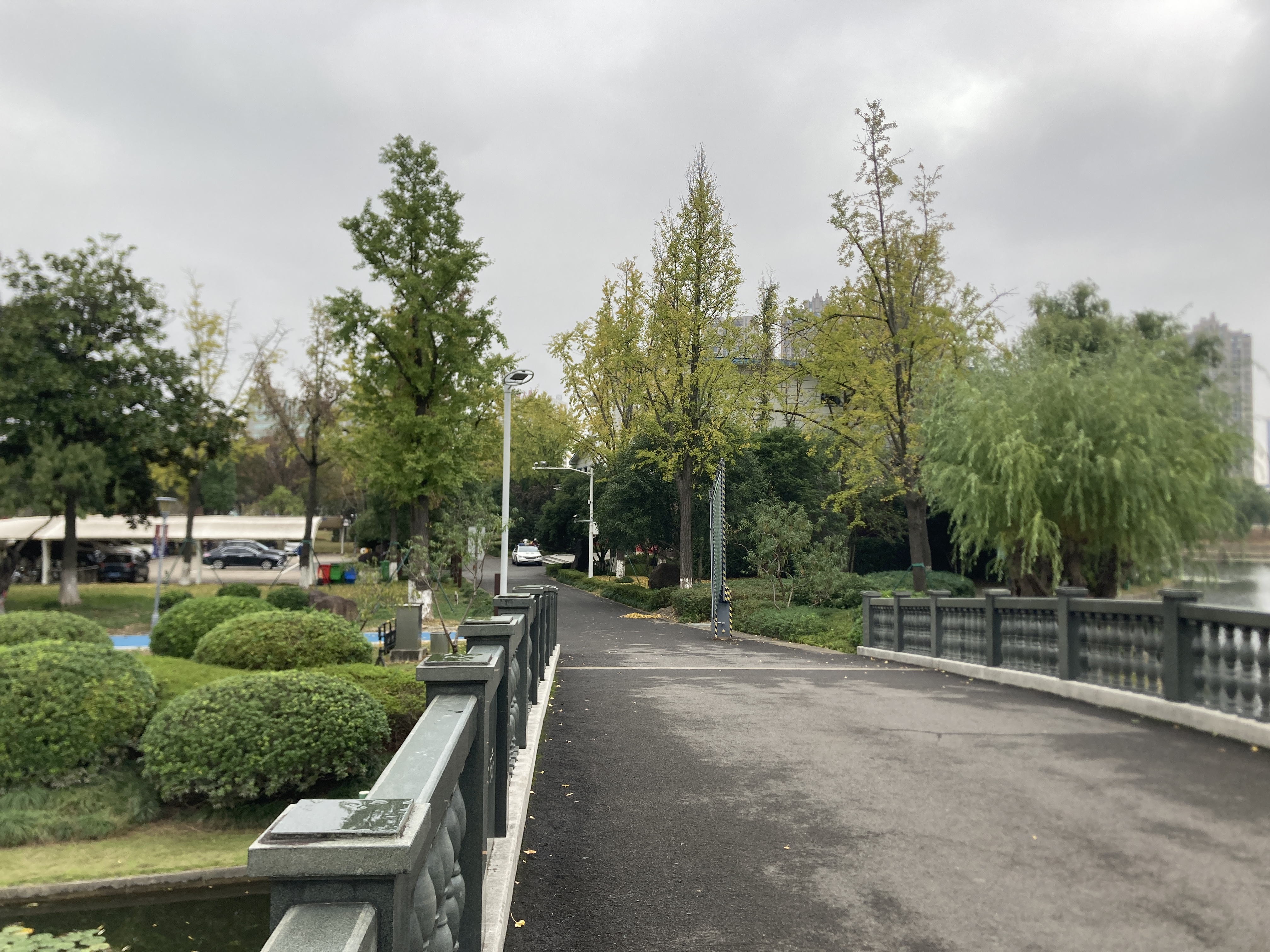

I’m strolling through one such park today in Ningbo, a wealthy port city south of Shanghai. The city has an unfortunate history of being attacked, by the British in the First Opium War in 1841, by the Taiping rebels in 1861, and again by the Japanese in 1940 (who dropped a bomb containing the bubonic plague on the city). Academicians Park is a bucolic two-kilometer stretch of winding canals, arched stone bridges, and jogging paths. As I cross over a bridge in the middle of the park, I espy a tall post with something familiar at the top—a surveillance camera—and on the other side, a cop car. Is that what I think it is? It is indeed a police station. Quite a substantial one in fact. Food for thought: a police station in a park. Rather eager to leave, I cut across to the nearest exit, which faces Zhejiang Wanli University. Ah yes, now I understand. The police station protects and reassures the campus’s 20,000 students that it has their safety in mind. Curiously, though, I don’t notice any students in the park.
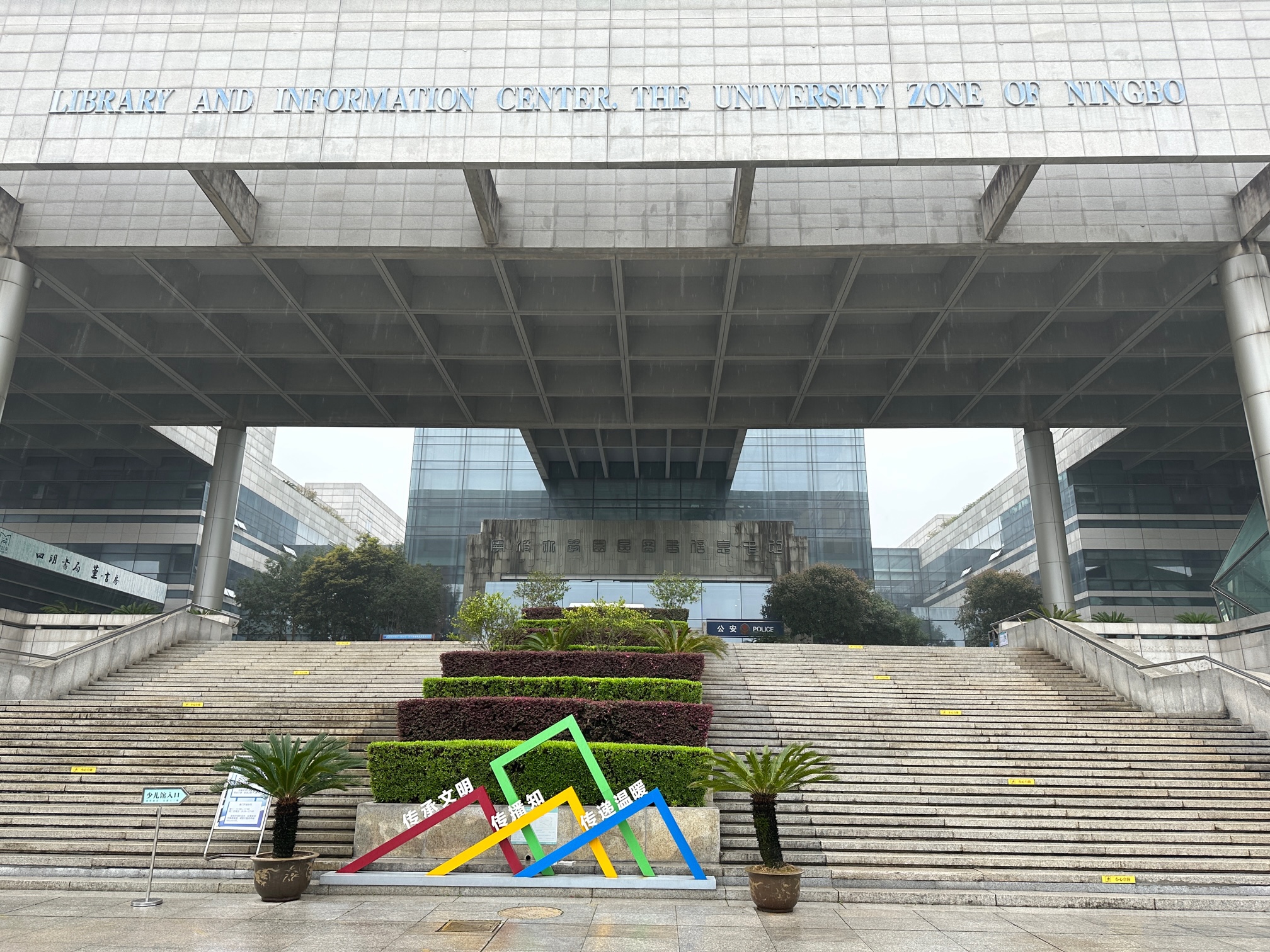
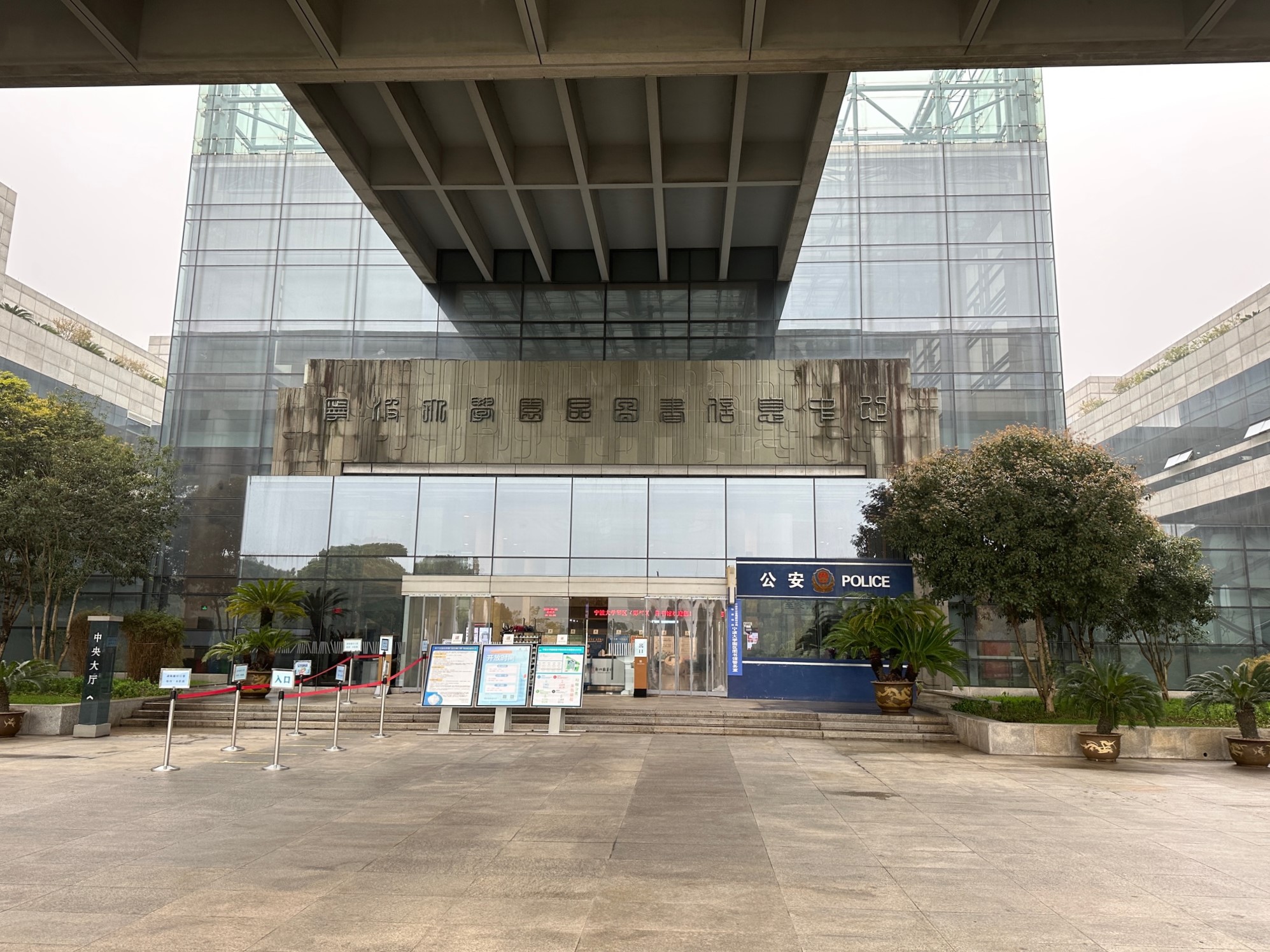
I continue along Qianhu South Road. Although this section of the city was recently developed from reclaimed farmland, the landscaping is thoughtful and the street thick-lined with trees on both sides. I come upon a library, a foreboding futuristic structure designated (in Chinese and English), “Library and Information Center” in “The University Zone of Ningbo.” Is that again what I think it is, peeking out over the broad steps to the entrance? I mount the steps and yes, it is a police booth, our safety once more being considered. How thoughtful of them. I presume the “library” and the “information center” functions are kept separate so that we don’t have to ask the police how to find a book. Yet before you marvel at this dystopian achievement and congratulate yourself on living in a free society, let’s keep some perspective. Our own police stations may be less conspicuous, but nowhere have I seen as many police cars prowling the streets as in my home country, the United States.
Nested cities
Until the end of Imperial China in 1911, Beijing had long been a nested city formed by a series of concentric walls. A wall enclosed the Forbidden City, which housed the emperor, his family, and thousands of eunuch retainers. A surrounding second wall enclosed the Imperial City, for the Manchu elite. A third wall enclosed the “Inner” or “Tartar City,” reserved for the rest of the Manchus, who ran the capital; access to the Inner City was strictly controlled to keep the Han Chinese residents out. A fourth wall surrounded the “Outer” or “Chinese City,” to keep out the peasants and vagrants who lived in the “suburbs” (open farmland). Beijing’s walls both kept the different social strata in their proper place and prevented anyone from penetrating or attacking the interior.
In the latter half of 2022, those of us in China living through Covid grew uneasy and alarmed at the country’s epidemic measures. It seemed that the authorities weren’t planning on ending the lockdowns anytime soon but, on the contrary, wanted to bring back the nested-city tradition. In other words, the pandemic was the occasion for an ulterior purpose: to keep the population compartmentalized in their neighborhoods and restrict people’s movements as much as possible. For the first time in history, a powerful means became available for achieving this dour vision: the electronic tracking technology embedded in every citizen’s cellphone.
The technology evolved step-by-step in this direction. In 2020, the first year of the pandemic, the measures were comparatively crude. We were issued passes for coming and going from our residential communities, which in China are regularly gated. New gates sprung up where they hadn’t been before. Stores and restaurants required patrons to write down their contact information and have their temperature read with a thermometer gun. By year two, we had to install a government-mandated health app on our cellphone and scan the app’s QR code at the entrance to every shopping mall and again at every shop and restaurant within the mall. This had a justifiable rationale. The app indicated whether we had traveled to a Covid hotspot within the past two weeks. Were we discovered to be infected, they would be able to trace the chain of transmission. Another measure was to require anyone traveling to another city to have a NAAT test (throat swab) within 48 hours of boarding a flight or train.
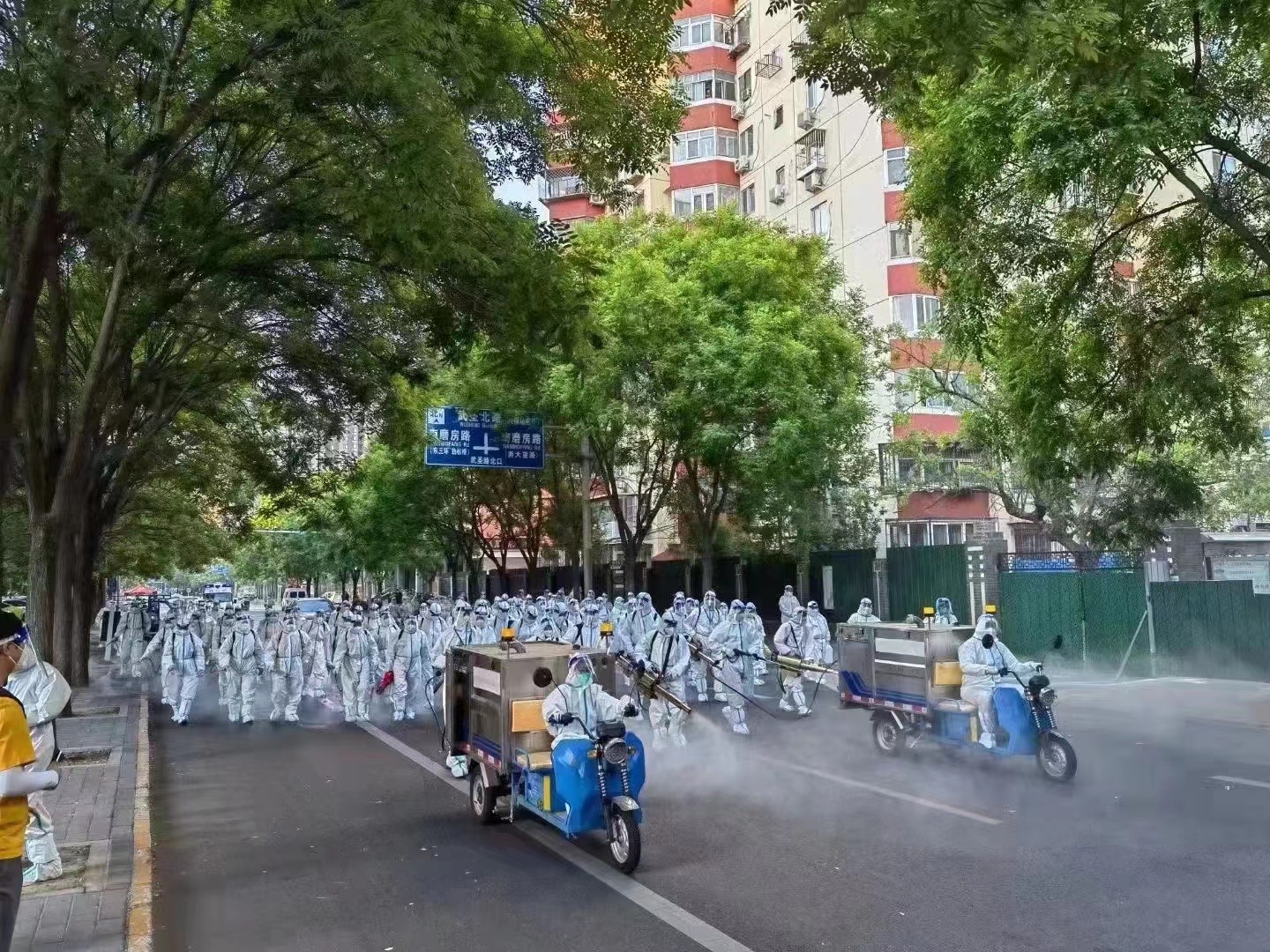
In year three, around the time of the Great Shanghai Lockdown (April–May 2022), cities across the country began requiring everyone, not just travelers, to submit to regular throat swabs every 48 or 72 hours (sometimes every 24 hours; it varied from week to week). These mandatory tests were free of charge and conveniently located in pop-up booths in every neighborhood, but it did create massive inconvenience in terms of planning around them, going out of our way, and standing in line. There were four codes: green (all clear), gray (your testing had lapsed), yellow (you were in a known hotspot), and red (you or a close contact of yours tested positive). A gray or yellow code got you barred from shopping malls, supermarkets, restaurants, hospitals, schools, buses, taxis, the subway, and parks. A red code, and you were promptly shipped off to a quarantine center or hospital.
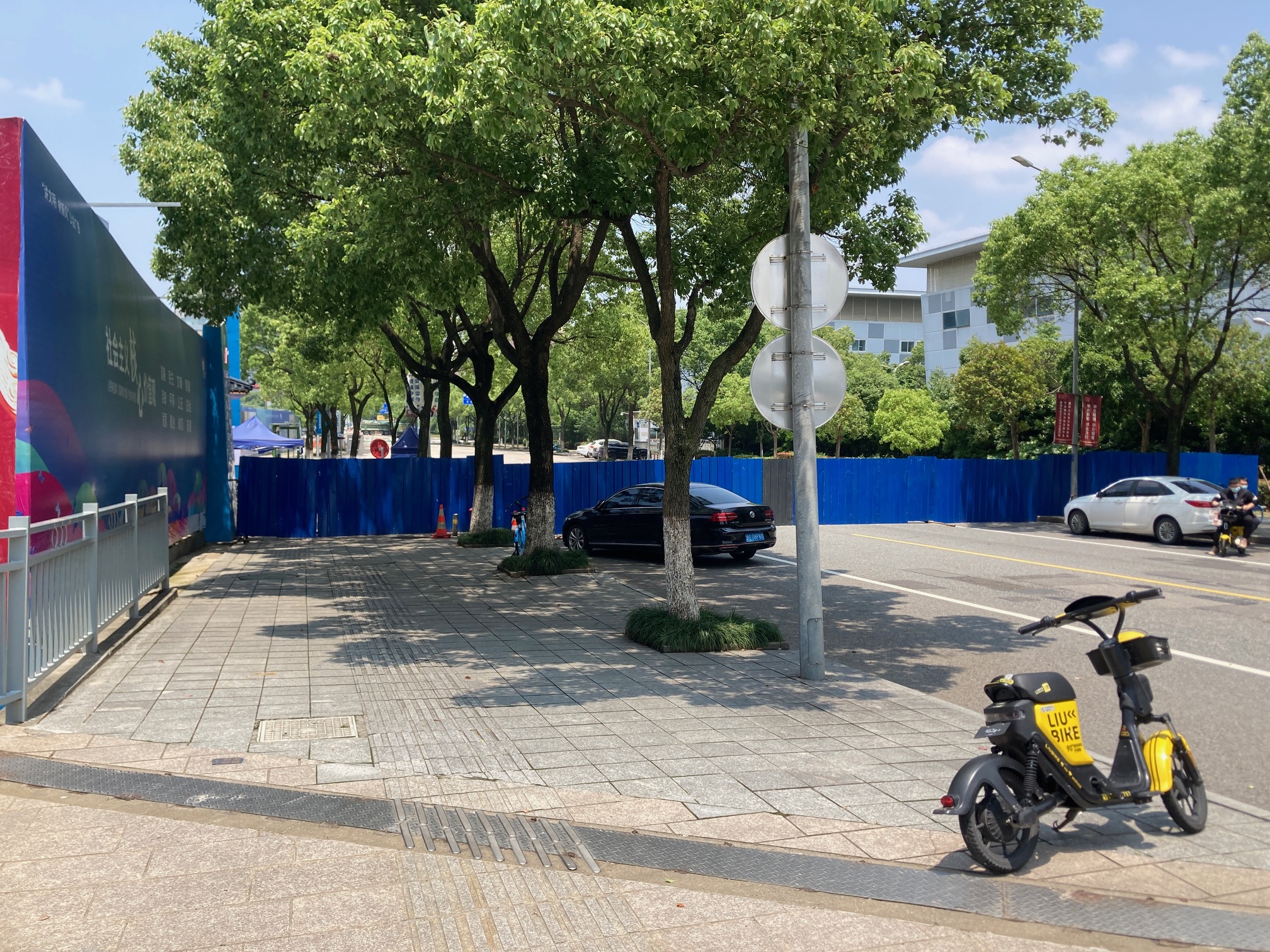
It got worse. If you happened to be in a neighborhood where someone turned up positive for Covid, the affected area, which could extend to several square kilometers of adjacent apartment complexes, was immediately locked down without warning. Some people were sent to quarantine centers with only a yellow code; others reportedly barred from their apartment complexes and thus from their own homes. If you managed to make it home but had been present in the affected area for up to two weeks prior to the lockdown, you were tracked down and forced to quarantine at home for two weeks. Hotels in affected areas were likewise locked down and guests quarantined in their rooms indefinitely for days or weeks, while being required to pay the daily rate. Cities forbade entry to visitors and existing visitors were stranded. Airline, train, and bus service was cut back or halted altogether. In the chaotic final months of 2022, as the virus spread uncontrolled throughout the country, whole cities underwent rolling lockdowns, with all businesses closing and people confined to their communities or complexes. Barricades started appearing everywhere, blocking streets and corralling people like animals in dwindling corridors.
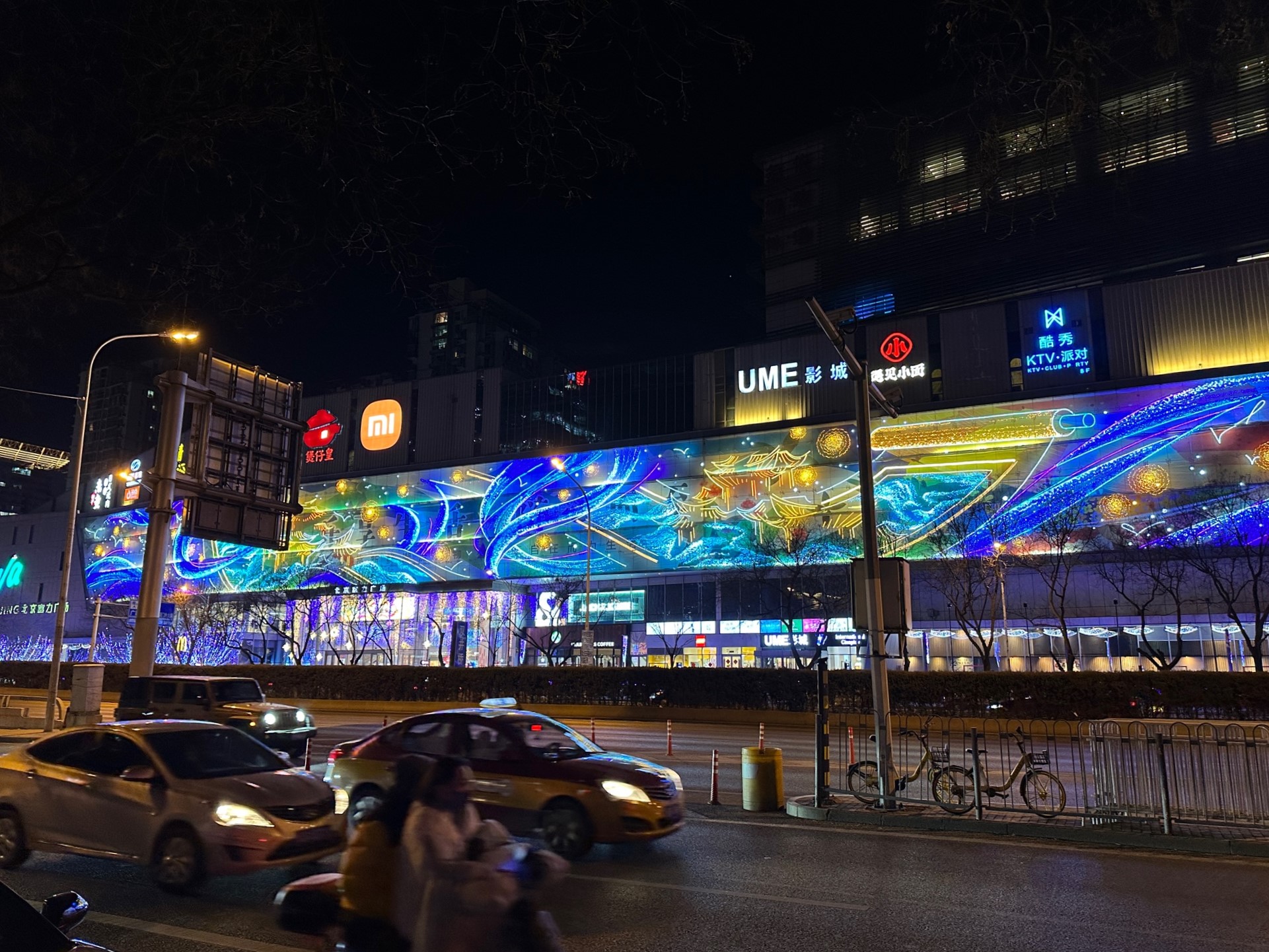
While the government was trumpeting its success in keeping the virus out of the country, the depressing realization took hold that the lockdown measures had nothing to do with public health and everything to do with power for its own sake. The authorities had discovered how easy it was to control the population, down to every citizen via their electronic leash, the cellphone. Like a form of sadomasochism, they were thoroughly intoxicated. How could they ever give up the drunken magic of this newfound omnipotence? As long as the cellphone was people’s most prized possession, they didn’t have to do anything. We began to envision a world—some called it the “North Koreanization” of China—in which the virus was long gone and the same “health” apps would remain in place to micromanage a population now rendered powerless (allegedly, North Koreans cannot move beyond their home and workplace without permission). The citizenry would thenceforth be forbidden from traveling or emigrating abroad. International tourism to China would be dead in the water, as no foreigners would put up with installing Chinese surveillance apps on their phones. And all the billions lost from the tourism economy? The tradeoff would be well worth it, from the government’s perspective, as they would have achieved what no other regime had ever managed: a wholly stable, obedient, and orderly society, the dovetailing of Orwell’s 1984 with Huxley’s Brave New World.
One became conscious of freedom of movement as a right more basic and important than freedom of speech. How dared they prevent people from getting on with their essential movements, their multiplicity of activities and places, their jobs, their lives? I think a critical mass of revulsion finally brought the pragmatists in the government to their senses with its sudden about-face in January 2023. They too didn’t like what they saw when they looked in the mirror. Of course, they had already lost the battle with the virus, the economy was in freefall, and they had no choice. The collective relief we all experienced was palpable and orgasmic, so much so that one suspected it was all part of the plan. Rage had been building—and then, happiness and joy as the government washed its hands of the whole lockdown nonsense faster than anyone could process.
* * *
Other posts in this series:
Insights into China, Part 2: A meal in a restaurant
Insights into China, Part 3: An invitation to a party
Insights into China, Part 4: A stay in a hotel
Insights into China, Part 5: A glimpse inside a school
Insights into China, Part 6: A visit to the library
Insights into China, Part 7: An immersion in a museum
Insights into China, Part 8: An afternoon in a café
Insights into China, Part 9: A journey to the hinterland
Insights into China, Part 10: A vision in a concert hall
Insights into China, Part 11: A timeslip to the glorious Qing
Insights into China, Part 12: An idyll in paradise
BUY THE BOOK. FORTHCOMING THIS FALL:
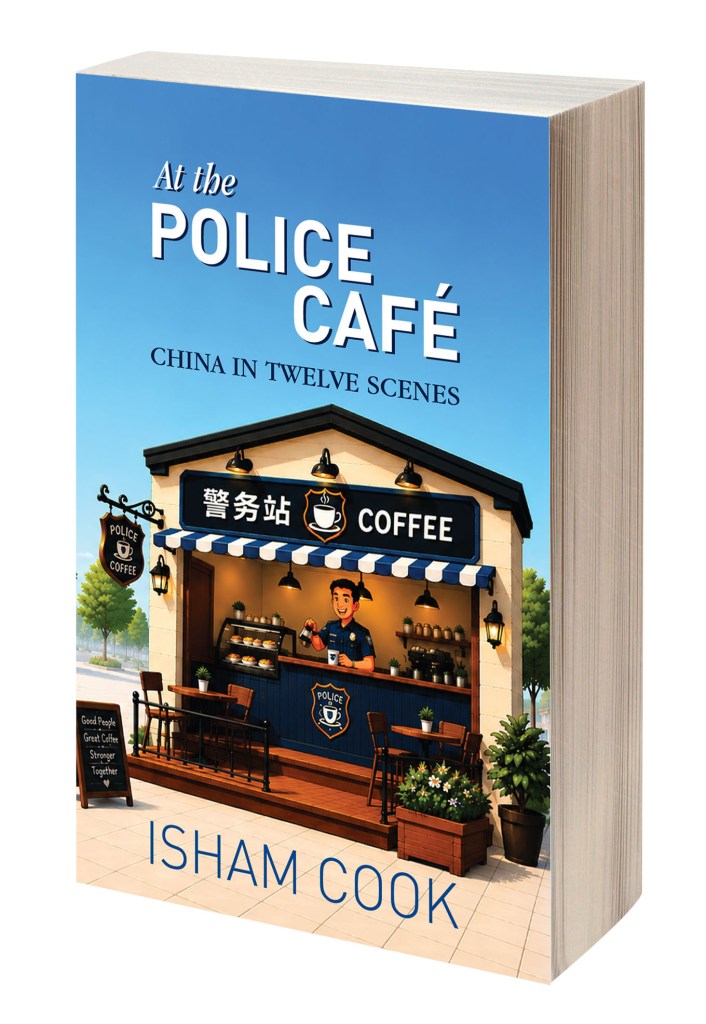
At the Police Café: China in Twelve Scenes


Leave a Reply