
I begin with a textbook case of intercultural miscommunication I once witnessed in a university cafeteria in Beijing. Just as I was telling the server which dish I wanted, a female student standing next to me blurted out to him in Mandarin, “I told you I wanted the shredded pork noodles. Didn’t you hear me?”
Another student butted in between us to indicate what he wanted. The server served him before walking several pans over to fetch my dish. This was logical enough; his pan was right in front of the server and mine was several paces away. This further miffed the female student. She said to a friend standing behind her in native-speaker English, “I can’t believe he’s walking away.” At this point I realized they were ABCs (American-born Chinese).
It was now clear they had a little war going on, as the server continued to ignore her. When I finished my meal fifteen minutes later, she was still standing there glaring at him.
I had dealt with this server many times and never had an issue with him. What initially set things off could have been any number of things. I guessed she had expected him to acknowledge her request with eye contact and grew peeved when he failed to, he in turn found her rude, and it snowballed from there. She was likely a new arrival in China, an exchange student a few months fresh off the plane. Her Chinese ethnicity wasn’t of much help in negotiating her way around an unfamiliar cultural minefield. It was after all not the cook’s responsibility to explain how things worked; he was only going about his job. She was the annoying anomaly. The fault for the communication breakdown lay entirely with her. The moral of the story is that the burden is not on the host country to explain things to you; the burden is on you, the guest, to figure it out.
Then there was the incident back in the early 1990s when I had first arrived in China to start a teaching job. It was my first restaurant to step into outside my new residence, the famous Friendship Hotel in Beijing, which housed just about all the foreigners in the capital at the time. The menu consisted of Chinese characters on typed white A4 sheets of paper in grimy plastic sleeves (menus with photographs came later). I had studied some Chinese and could recognize the characters for Kung Pao Chicken and a couple vegetable dishes—potatoes and turnips—bafflingly inexpensive at only two to three yuan a piece. I was not sure how they would be cooked. The chicken came first, filled to the brim with excess oil. Then the potatoes and turnips arrived—in raw slices. It took a moment to register why they were served raw. Oh, of course. They went with hotpot. But that’s not what blew my mind. The cooks, waitresses, and manager—the manager!—were all giggling at me. They had a good laugh at my expense, until I overturned the dishes onto the tablecloth and walked out without paying. I heard shouting in my direction but they didn’t pursue me out on the street.
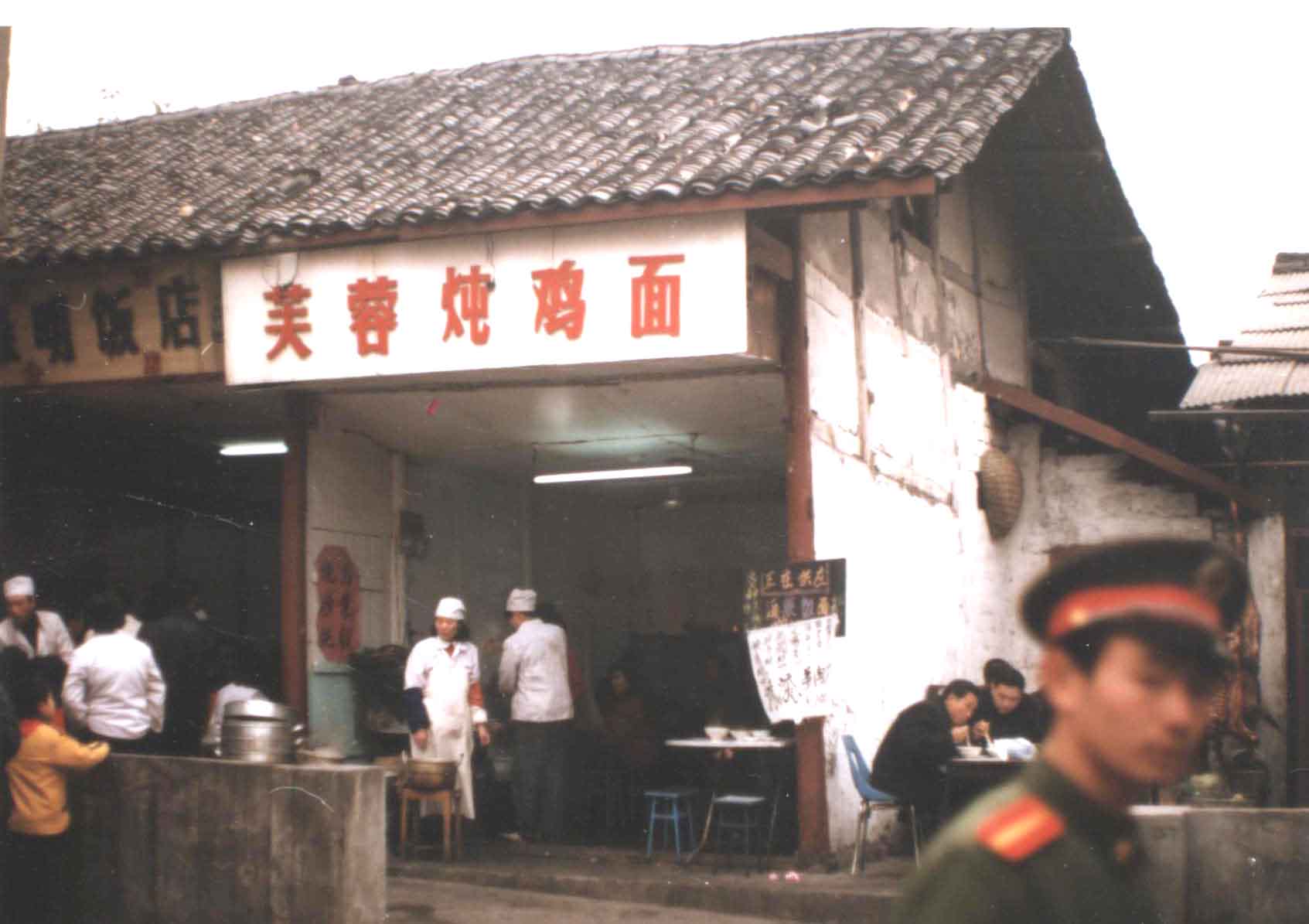
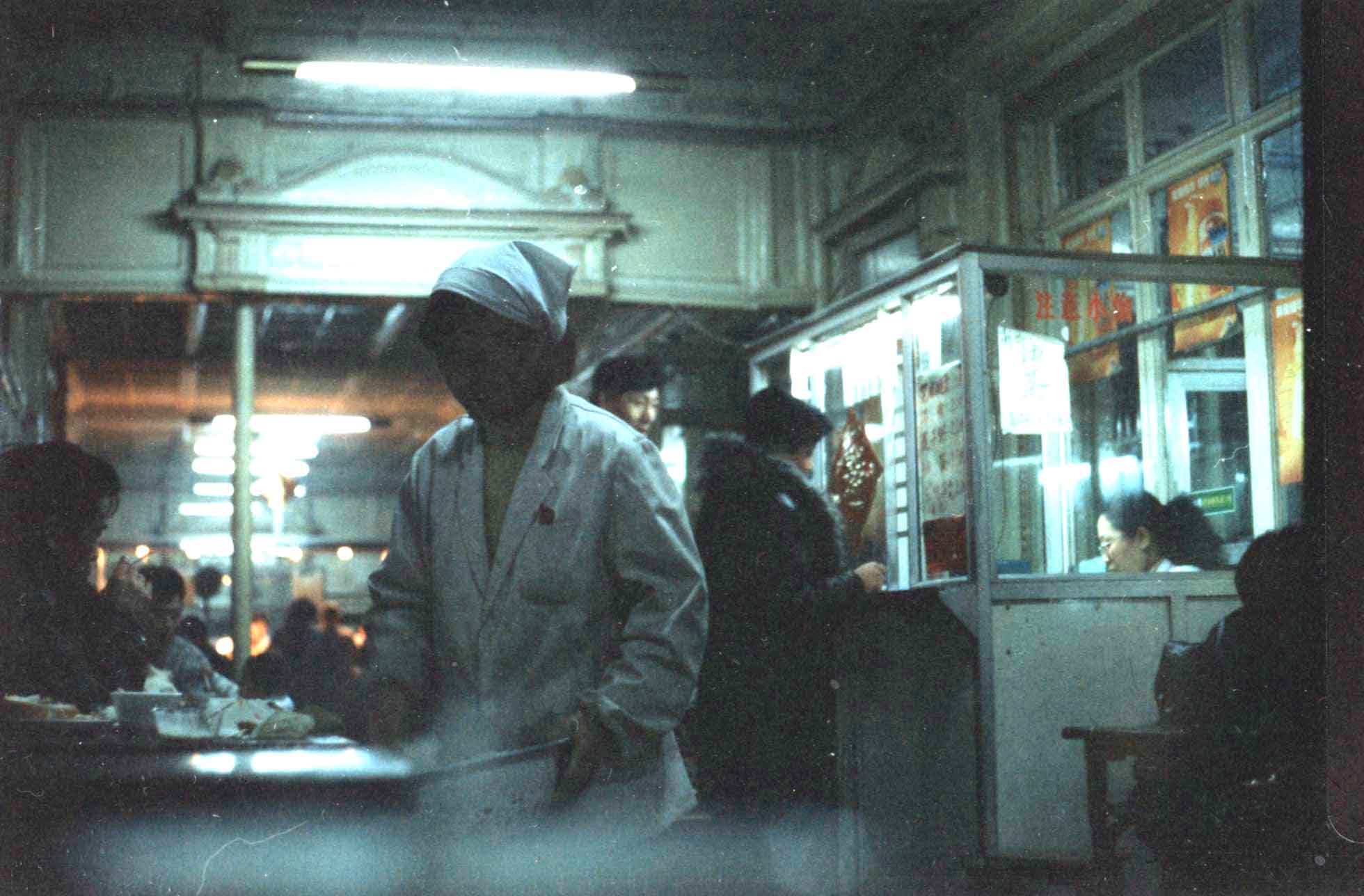
Other restaurants might have handled it in a friendlier way, for instance patiently explaining to the clueless foreigner why I couldn’t order those vegetable servings alone. The verdict again, however, is that the fault lay squarely with me. How were they supposed to divine my motive in ordering the raw vegetables? Customers may order whatever dishes they wish for whatever reason, no matter how absurd, as long as they pay for them, and the restaurant is under no obligation to question their choice. Let’s turn things around and imagine you’re a Chinese customer in an American restaurant yelling, “Waitress!” This is exactly how it’s done in China. You shout “Fuwuyuar!” at the top of your lungs so that your voice can rise above the din of the customers (hard surfaces tend to make interiors noisy), ensuring that a waitress, any waitress, will appear. It’s not considered rude at all, as the waitresses share all the tables. To do the same in an American restaurant, however, would be so outrageous they might ask you to leave. And you would be at fault for your ignorance of the country’s culture and etiquette.
Not that restaurants in our ostensibly civilized Western world are immune from bad management or worse. Don’t ever underestimate the depths of depravity if the staff are not happy with you. In my teens, I once worked as a dishwasher in a steakhouse in Canada. When a customer sent back a steak for being too tough, the cook tenderized it by stomping it on the filthy floor before putting it back on the grill. We were all of us, the cook included, terribly immature and thought it hilarious. I knew it was wrong and it has hence stuck in my memory.
Chinese restaurant culture today is much evolved and hardly recognizable next to the functional proletarian interiors of three decades ago: the grinding and scraping metal chairs, bare fluorescent lighting and white walls, and the raucous patrons who tossed their chewed bones and cigarette butts on the concrete floor. Some restaurants bothered to mount a photomural of a tropical landscape on the wall; two or three different versions of these tropical landscapes were shared among all the city’s restaurants.
Nowadays, downhome restaurants, called jiachangcai (homestyle cooking) or nongjiacai (farmhouse cooking), are clean and comfortable in a homey way, reminiscent of the reassuringly ordinary American diner. Displayed behind the cashier is a generous selection of strong spirits (baijiu) for customers who want to party with their meal. Bar culture, on the other hand, is traditionally lacking in China; restaurants are where people feel at liberty to get drunk. I merely open the glass-paned refrigerator that stands near the cashier and pull out my brew of choice (the waitstaff duly note this and add it to the tab), as if popping open a beer out of mom’s fridge back home. This does away with the need for our stilted “Would you care for something to drink?” ritual in American restaurants. The Chinese seldom start off with alcohol before eating, instead ordering their drinks to arrive along with the food so that they’re not imbibing on an empty stomach.

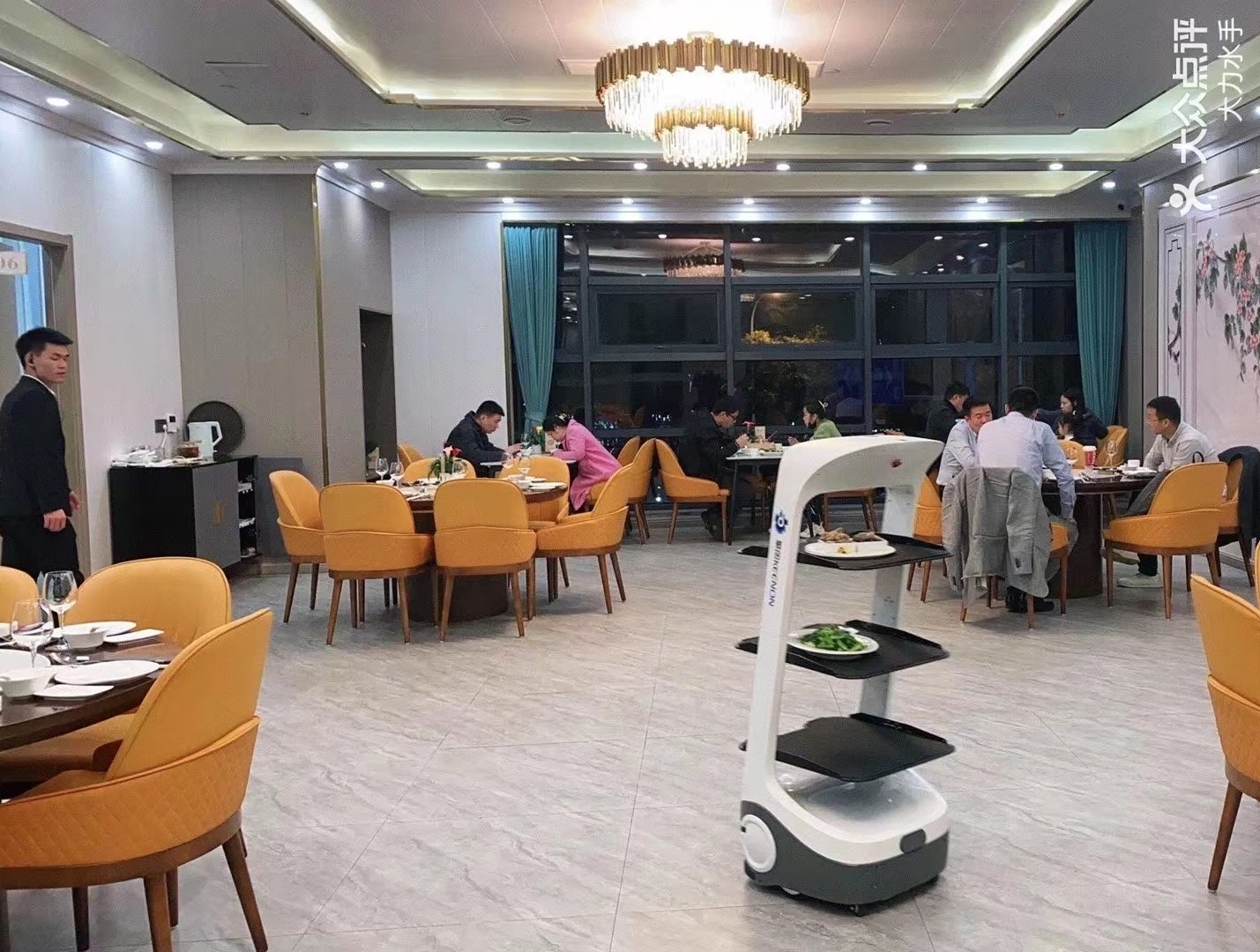
Ordering in Chinese restaurants is disarmingly straightforward. As you sit down at your table, the waitress (they are almost always female) is already awaiting your order. One person orders for everyone and selects a variety of dishes. But as almost all restaurants have gone digital, printed menus are on the way out. You now scan the QR code on your table and the menu pops up on your cellphone. Each dish can be enlarged for a clearer image. I happen to dislike e-menus because the images still remain uncomfortably small when confined to a cellphone screen. Not to mention the loss of more personalized service. In fact, since you usually pay for the meal at the same time you order it—China has been cashless for many years now—the only face-to-face encounter you may have with staff is when they bring the dishes. More gimmicky restaurants eliminate human contact altogether and send you your dishes on a wheeled robot.
China has also perfected fast food, as in fast, unnecessary steps reduced to an absolute minimum. The cafeteria-style restaurants popular in southern China known as shitang have tapas-sized dishes laid out for the taking; some soups and stewed dishes are ladled out from pots. The food is varied, cheap and delicious. Walk in, grab what you want and sit down. A server—if the term still applies—soon appears, counts the dishes, scans your WeChat or Alipay QR code, and that’s it. The eating experience is seamless, with no extraneous movements expended or delays encountered other than the two seconds it takes to open your payment code for the server’s deft scan.


International fast-food chains operating in China have rushed to keep up with these digital devel-opments, as purchasing patterns shift to pre-ordering food for takeout or at digital kiosks in the store. Most of the country has taken the art of laziness to an extreme and are avoiding the hassle of going out at all. Probably the majority of restaurant food is now delivered. I have seen people ordering a single bubble tea or Luckin coffee for home delivery. This mass extravagance does have the ad-vantage of providing employment for the legions of food-delivery boys. It helps that you don’t have to tip them.
This brings us to our next observation, something North Americans will appreciate about dining in China and not a few other countries: the absence of tipping and sales tax. The obverse of this is that you don’t have a dedicated server to ensure an optimal customer experience. China has come a long way in this regard as well. Before customer service became a concept, around the turn of the century as the restaurant business began to boom, waitresses happily argued with customers and would flatly contradict any and all complaints. The dish is too salty or oily? “That’s how our customers like it.” The serving is too small? “No one else has ever objected.” The dish is 45 minutes late? (because they forgot to cook it). “It’s coming right up” (it never arrives). There’s a hair in the soup? The waitress picks out the hair and flicks it away. “No, there isn’t.” Customers could be reduced to tears by tough waitresses who did not back down or admit fault.
One of the last vestiges of the bad old days and which continues to plague even top-end restaurants is the dish that never arrives. While service is now cheery (when you’re not dealing with bots) and waitresses will make some effort to hunt down your dish if it’s late, the problem is endemic to the way Chinese kitchens work. The order in which your dishes are served is essentially random and you have no control over it. If you’re in a group it doesn’t matter since the dishes are all shared. The anticipatory surprise greeting each new steaming dish is enjoyable. This frees up the kitchen to sequence by dish type rather than by table. They prefer to batch-cook popular dishes—killing many birds with one wok. You’ll likely receive one of these dishes soon. The less popular dishes have to wait until several orders have accumulated which can be then fired up in a new batch. Regardless of how efficiently a kitchen operates, some dishes inevitably get lost in the shuffle. Restaurants today are still reluctant to admit they’ve forgotten your dish and will insist it’s on the way, so that you won’t cancel it if you’ve long finished all the other dishes and are already full. The best tactic for speeding up a lost dish used to be to threaten to leave in five minutes if it hasn’t arrived. It would then arrive as soon as you got up to leave. But today, as you typically have to pay for your order at the outset, you’re stuck waiting and only in exceptional cases will they agree to refund your money.

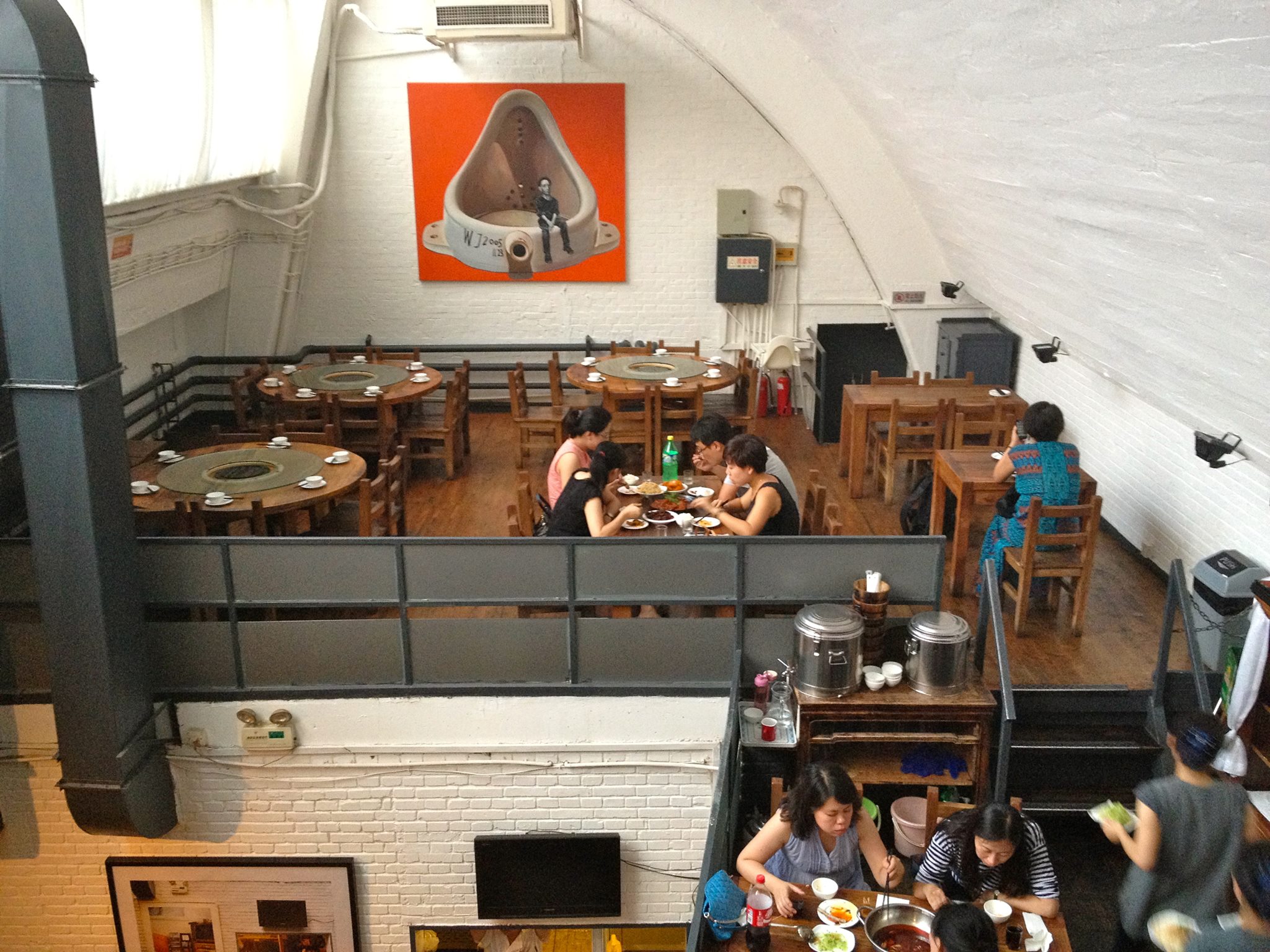
Compounding the kitchen problem is the service problem. As noted, the waitstaff are not assigned to different tables but share all tables, with a corresponding lack of attention to each table. The situation has improved in recent years as restaurants find it harder to hire waitstaff at the slave-labor wages of yore and the ratio of waitresses to customers drops. Fewer waitresses per restaurant paradoxically results in improved service since responsibility is less dispersed. Too many waitresses, and they tend to stand around listlessly, assuming all tables are being attended to when they’re not. Diffused responsibility also dovetailed with the gruff, often outright hostile attitude toward service cultivated by the communism decades ago, when everyone hated their job and just went through the motions.
The Big Disconnect between one’s solipsistic universe and other human beings still occasionally informs life in China. Customers too are not impervious to this, who have the bewildering habit of leaving the restaurant or café door wide open in wintertime upon entering and leaving, and neither they nor the waitstaff make any effort to close it. Inexplicably, no one notices the blast of cold air rushing in. Then again, no one notices the foreigner who gets up to close the door. Well, if it’s only a problem for us, it’s not a problem for them.
Another example of the timeworn cultural apathy that still makes its appearance on occasion is the sudden, mysterious shuttering of restaurants. It’s somewhat understandable when a restaurant is forcibly closed and the staff given twenty-four hours to vacate because the landlord has better ideas for using the space. More commonly, if it’s a popular location, the rent skyrockets when the lease is up. If the restaurant valued its customers, you’d think they would at least post a notice with an explanation or apology, along with contact info if reopening in a new location, but expressions of friendship toward valued customers are the exception. The general tenor is that all businesses are fly-by-night operations. Restaurants may decide to close with no advance warning if they perceive a drop-off in patronage. They then pop up somewhere else under a new name and menu for a fresh start. High staff turnover or walkouts due to bad management and low pay also contribute to this cycle. Customers in turn don’t show much loyalty toward their favorite establishments. This gives Chinese restaurants a generic, interchangeable quality, the practical and predictable response to such complications. If one favorite place disappears, others step in to fill their place.

This is not to say that Chinese restaurants are all the same. On the contrary, there is no more colorful window into Chinese culture than its culinary industry. More interesting than the myriad existing books on Chinese cuisine and cooking would be a history, which remains to be written, of Chinese restaurants. They are in a constant state of flux and change and mind-boggling variation in the mad race to keep up with the latest food fads. Dishes that were once standards—Boiled Pork in Spicy Soup (水煮肉), Shredded Pork and Garlic Sprouts (蒜苗肉丝), Husband and Wife Lung Slices (夫妻肺片)—are now hard to find, while a few others—Kung Pao Chicken (宫保鸡丁), Fish-Flavored Shredded Pork (鱼香肉丝), or Duck’s Blood and Beef Tripe in Spicy Soup (毛血旺)—have achieved immortality.
Explanatory note: “Boiled Pork in Spicy Soup” was supplanted in popularity by “Boiled Fish in Spicy Soup” in the early 2000s. Though delicious, the garlic sprouts of “Shredded Pork and Garlic Sprouts” came to be regarded as too rustic. The bizarre-sounding “Husband and Wife Lung Slices” consists not of human lung but beef tongue, tripe, heart and head flesh steeped in chili pepper oil, a standard Sichuan delicacy. “Fish-Flavored Shredded Pork” is not fish-flavored but cooked in the style of fish. “Duck’s Blood and Beef Tripe in Spicy Soup” is a challenging (for Western stomachs) stew of solidified duck blood, various parts of cow stomach (tripe, rumen, omasum), spam, squid (or eel), and soybean sprouts.
Some novel dishes appeared seemingly out of nowhere to take the country by storm, such as Wanzhou-style broiled fish (万州烤鱼) from the Chongqing region: a whole fish broiled in a pan steeped in layers of vegetables and spices. Every city now has restaurants devoted to this dish’s infinite permutations.

The restaurant revolution that erupted around the turn of the century involved much more than the proliferation of new dishes. Branding was discovered and everything ratcheted up; chains multiplied and the size of restaurants ballooned. Whole buildings were purpose-built by venture capitalists for ever-grander establishments. Five, six, seven-story restaurants with each story more exclusive than the one below; garishly lit seafood restaurants as big as American supermarkets; waitstaff on rollerblades and walkie-talkie headsets for instant relaying of orders.
In the anti-corruption drives under Xi Jinping, we’ve seen a scaling back of these excesses. What continues in the 2020s are more incremental yet steady refinements of aesthetics in both interior design and the culinary arts.

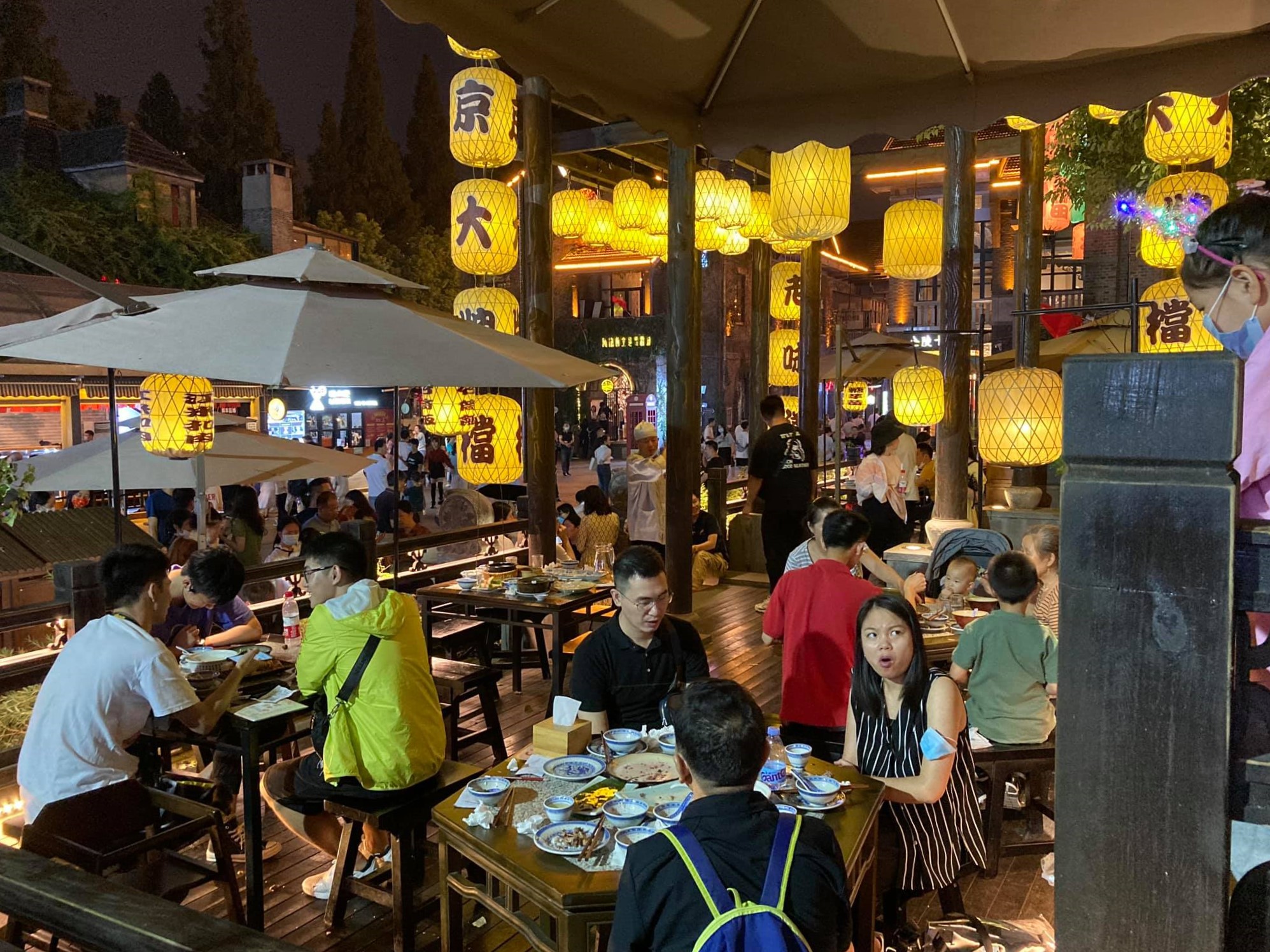

At the lower end of the pecking order, small eateries, noodle shops, and portable vendors still crowd the streets, with the difference that sanitary regulations have imposed higher standards on the entire industry after years of scandals over the use of recycled “gutter” cooking oil and other toxic adulterants. In 2016 alone, 500,000 violations were reported by China’s Food and Drug Administration—they were the ones that were caught. The most shocking cases involved restaurants poisoning the food of a rival restaurant to drive their customers away and lure them to their own. You can’t entirely protect yourself when eating out except by not eating out. Recycled oil looks and tastes exactly like fresh oil; the carcinogenic toxins are invisible. On the other hand, from a narrow business perspective, restaurants would be foolish not to use the cheapest recycled products.
In all fairness, unless your constitution is hyperallergic, and you stay away from the shabbier sort of food outlets, your restaurant risks in China are no greater than in any other country. The U.S. is not exactly pristine when it comes to the multitude of toxins we consume in food products. One advantage of Chinese food is that many dishes are cooked by scalding, which kills off bad bacteria (and why vegetables are seldom eaten raw). I’m still alive anyway. I regularly eat out in China and have never experienced anything serious enough to send me to the hospital, though I came close once after a serving of Bacteria Fried Rice in Guangzhou back in 1990 that sent me to my hotel bathroom for the rest of the day.
Restaurant culture dominates life in China, and the Far East as well, to a greater extent than it does in the West. This is because people’s homes tend to be small and cluttered and not set up for entertaining guests. It’s not the norm for the Chinese to invite friends over for dinner since it’s more logical to invite them out to a restaurant. Restaurants are outfitted with private rooms with round tables and Lazy Susans for a more intimate setting. On more formal occasions, it would be unthinkable not to book a private room. Long dinners are often combined with singing in restaurants that have karaoke equipment. Chinese restaurants don’t really have closing hours. They stay open until the last guests leave and may continue accepting new guests until very late (more on Chinese partying in the next chapter).
Food-and-beverage establishments often merge with other entertainment venues in fluid ways that spawn countless variations: restaurants with luxury spas occupying the upper floors, or conversely, bathhouses with five-star buffets and star chefs and in-house prostitutes in private rooms; cafés that host massage services and massage shops with café lobbies. North American restaurant culture seems to lack this creativity and is more rigid. The only combining of different functions and spaces is the separate bar or lounge area for those who only want to drink.

Among the Puritans in Colonial America, talking was forbidden during the family dinner out of respect for the gift of food. Silent eating is still practiced by many in northern Europe. The Chinese believe that talking while eating is bad for digestion, not to mention the increased risk of choking on food. But when it comes to socializing over dinner, these niceties are dispensed with among the Chinese. It’s a loud, intense affair, making repasts almost everywhere else in the world staid by comparison.
The Chinese tend to find both Western cuisine and the Western dining experience awfully dull. This can partly be blamed on food nationalism and ignorance. Food ethnocentrism—gastrocentrism—is the belief that the cuisine of your own country is—surprise!—the best in the world. Indeed, next to the vast panoply of Chinese cuisine, our meager culinary ambassadors in China—McDonald’s, KFC, Pizza Hut—seem pathetic, despite their popularity, and there is a patronizing kind of soft spot for this peculiar snack food, as these chains have successfully been in operation in China since the 1990s. Many Chinese assume that American cuisine must be more varied and sophisticated than that. Yet when they travel to the U.S. they turn out to be disappointed. This might have to do with the fact that restaurant choices in hotels and on the road tend not to go beyond so many variations on the sandwich.


Understanding the culinary culture of a new country requires patience, time, and effort, not to mention a knack for hunting down more distinctive dishes. The American palate extends far and wide, with regional dishes galore, innumerable variations on traditional European dishes, vegetarian and vegan alternatives, and over the past decades, an explosion of ethnic food brought to the country by immigration. To insist on what constitutes “American” cuisine misses the point. It’s about the breadth of cuisines available, the internationalization of food, and the possibilities and opportunities for acquiring a cosmopolitan stomach and a catholic attitude.
China boasts an equally extensive culinary landscape of countless regional dishes, along with its many ethnic or “minority nationality” varieties in Yunnan, Tibet, Xinjiang and other provinces with their distinct flavors and spices. Chinese cities have a generous selection as well of Korean and Japanese, and more recently, Thai and Vietnamese restaurants; Korean food has a long history in the country not as a foreign import but as an ethnic minority in China’s northeast. This infinite cornucopia is begging to be explored by foreigners in China with an interest in food, just as the rest of the world’s cuisines are waiting to be explored by Chinese who travel or live abroad.
It’s not a contest among the world’s offerings or a question of replacing one cuisine with another. On the contrary, enlarging your palate deepens your appreciation for your own country’s cuisine. Yet it takes a rare faculty to propel curiosity out of its comfort zone. A select number of Chinese living in the U.S. manage to expand their palate into their host country’s offerings. For the rest, they wouldn’t touch the stuff and home-cook their own food. Just as sadly, all too many Western expats in China aren’t able to deal with Chinese food for the same reasons. It’s not uncommon for a foreigner married to a Chinese spouse to eat separately from each other at home. We thus realize how profound food’s psychological grip on us is.


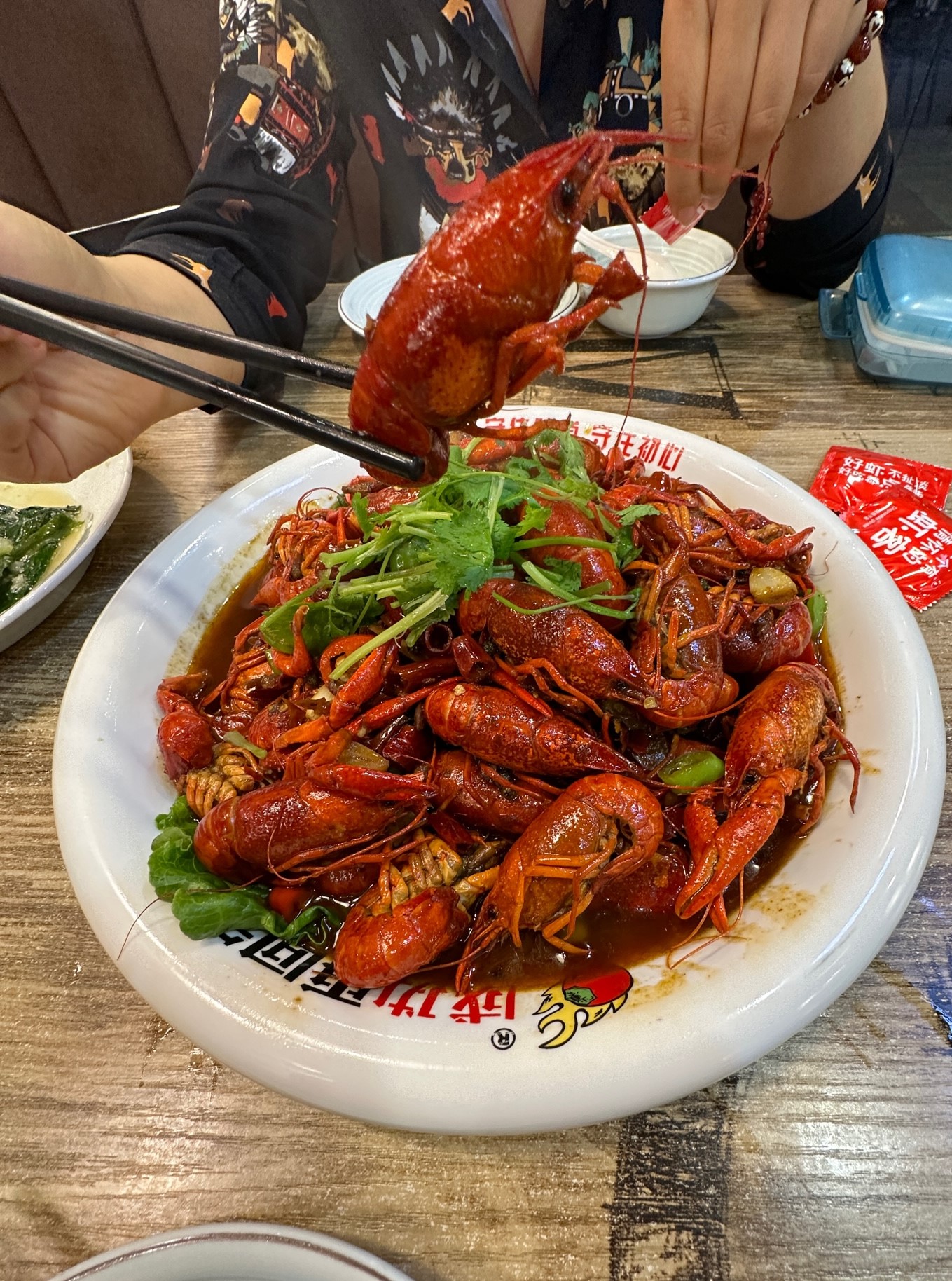
One thing that distinguishes Chinese from the rest of the world’s cuisines is the labor involved in its consumption. The most eagerly consumed dishes tend to be those that involve the most work. People’s fingers are very busy around the Chinese restaurant table, and not just with chopsticks. They aren’t really feasting unless they are fiddling with skeletal structures, pulling apart the bones of animals and birds where they give at the joints, peeling away the shells and cartilage of crustaceans and fish, slurping out sheep shank marrow or the brains of a rabbit head, or nibbling away at the skin and tendons of spicy duck neck or chicken claws. This isn’t “work” but closer to a struggle almost sexual in its abandon. We also fiddle with bones—ribs, legs and wings—a vestige of our carnivorous origin. The Chinese go much further in the sheer excitement with which they dismember their food. Theirs is a more intense, tactile, primeval eating experience, further enhanced by the communal aspect of it, everyone sitting rapt around the shooting steam and flames of the hotpot, worshipping and diving into the same food together.
It’s the closest thing the Chinese have to a recreational drug culture. In China, drugs are identified in the public mind with a hasty death and viewed as terrifying. But without realizing it, they are nevertheless drawn to mind-altering substances, as we all are. They seek refuge from the harsh monotony of the day and find it in the restaurant and the feast. And I mean “mind-altering” here not in a metaphorical sense but literally so: the fragrant odors, the salivating expectation, the shock to the system of a massive dose of chili peppers, topped off with alcohol to generate a potent euphoric haze. Alcohol is seldom enjoyed for its own sake but is treated as an ingestible social lubricant and a more than adequate mind-altering one; it is the only legal psychoactive drug allowed (nicotine and caffeine don’t quite cut it). Of course, alcohol is a drug even if not identified as such in the Chinese mind, a gendered drug as well; only men are encouraged to drink to the point of inebriation, with their implacable toasting rituals and regimens. Women take a risk in drinking at all, as it signifies to the males present a potential sexual openness. But the Chinese have their own gender-free, mind-numbing Sichuan peppercorn and chili peppers, intoxicants of a worthy sort: the capsaicin in chilis release endorphins.
A few words on Western cuisine in China, which has also come a long way. In the top-tier mainland cities, above all Beijing and Shanghai, followed by Shenzhen, Guangzhou, Hangzhou, Nanjing and other tourist centers, superb international cuisine now abounds. A sea change came in the 2010s when Western entrepreneurs, genuine gastronomes steeped in the restaurant business, pounced on China and launched stylish brewpub chains with shiny ceiling-high fermentation tanks (Great Leap Brewing, Jing-A Brewpub, Slow Boat Brewery, and Arrow Factory Brewing in Beijing; Boxing Cat Brewery in Shanghai). Beer varieties expanded well beyond weak Chinese lagers. Suddenly, marvelous wine bars could be found within five minutes’ walking distance in almost any direction in Shanghai’s French Concession and Jing’an districts. Locals learned not to slather pizza in ketchup and Tabasco sauce as Italian restaurants brought their pizza up to international standards with Neapolitan flour and fresh tomato sauce. Artisanal bakeries discovered whole-grain breads with textured crust and reduced sugar content (bread is regarded as a kind of cake rather than a staple in China).


For all these leaps and bounds, one seemingly insurmountable obstacle remains. I have yet to find a Western restaurant in China that understands how to serve a table’s entrees at the same time. Surely they must know, or I imagine they know, that we do not share our dishes. It is therefore essential we are served together and no one is left waiting so that we can begin to eat. Western cooks are trained in this at the outset so it comes naturally. But it goes against everything Chinese cooks have been trained to do. Trying to time a table’s dishes to be ready at the same time rather than churning them out one after the other results in a train wreck of confusion for them. Chinese servers likewise aren’t trained to carry the large oval food trays, capable of holding four or five entrees, that Western servers deftly balance on their shoulder. Instead, they carry each dish to the table as it comes out. Domestic customers for their part don’t mind, as they enjoy sharing Western dishes in the Chinese fashion.
Now compound these challenges with “the dish that never arrives” syndrome mentioned above. I cannot enumerate all the occasions when at a Western restaurant in China one of us was served our entree twenty or thirty minutes after the other. It puts you in a bind: you can wait patiently for your partner’s dish to arrive while yours gets cold, or you can start eating at their insistence, slowly, very slowly, in the hope that theirs arrives before yours is finished. Synchronized serving in Western restaurants is the last great challenge. It will probably not happen until the Chinese, savvy to the Western culinary experience, begin to demand it.

* * *
Other posts in this series:
Insights into China, Part 1: A walk down the street
Insights into China, Part 3: An invitation to a party
Insights into China, Part 4: A stay in a hotel
Insights into China, Part 5: A glimpse inside a school
Insights into China, Part 6: A visit to the library
Insights into China, Part 7: An immersion in a museum
Insights into China, Part 8: An afternoon in a café
Insights into China, Part 9: A journey to the hinterland
Insights into China, Part 10: A vision in a concert hall
Insights into China, Part 11: A timeslip to the glorious Qing
Insights into China, Part 12: An idyll in paradise
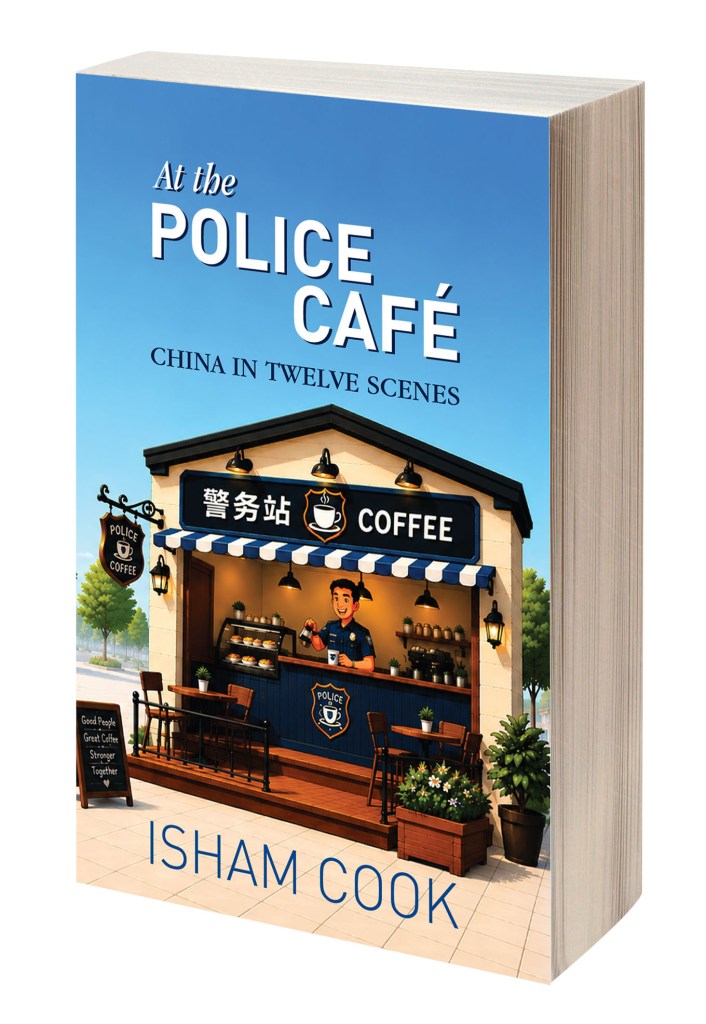
BUY THE BOOK. FORTHCOMING THIS FALL:
At the Police Café: China in Twelve Scenes


Leave a Reply